- We are open every : MON - SUN : 6:00AM - 7:00 PM
- balidriverandtour12@gmail.com
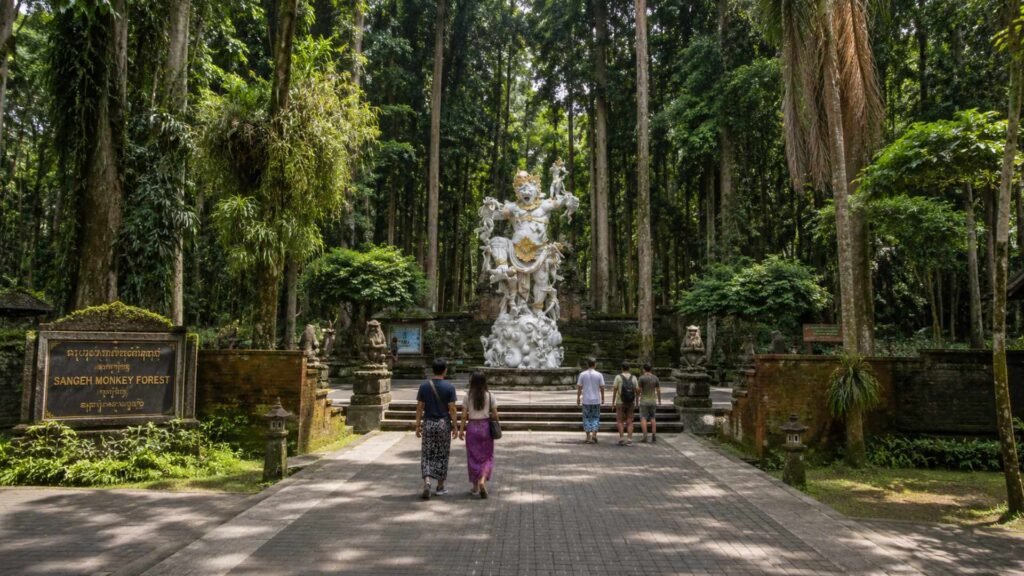
Sangeh Monkey Forest is one of Bali‘s most peaceful nature attractions, offering a quieter alternative to the more famous monkey forests on the island. Located in Badung Regency, about 30 minutes north of Ubud, this sacred forest is home to hundreds of long-tailed macaques living among towering nutmeg trees that are believed to be centuries old.
Unlike busier tourist attractions, Sangeh provides a more relaxed experience where visitors can enjoy shaded walking paths, ancient temples, and a natural environment that still feels closely connected to Balinese traditions.
If you’re looking for a destination that combines wildlife, culture, and nature without overwhelming crowds, Sangeh Monkey Forest deserves a place on your Bali itinerary.
Many travelers compare Sangeh Monkey Forest with Ubud Monkey Forest, but the experience is surprisingly different.
What makes Sangeh unique is its ancient forest of giant nutmeg trees. According to local belief, these trees have stood here for hundreds of years and are considered sacred. Their dense canopy creates a cool atmosphere even during the hottest part of the day.
Another difference is the quieter environment. Since fewer tour groups visit Sangeh, you can explore at a slower pace and enjoy better opportunities for photography.
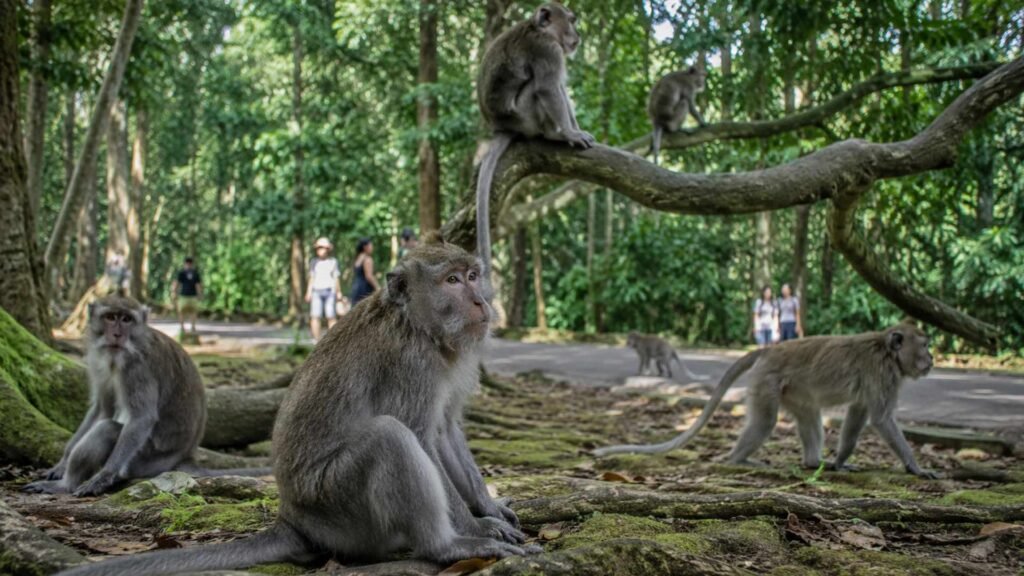
The monkeys also tend to be calmer, although they remain wild animals and should always be respected.
Sangeh Monkey Forest is located in Sangeh Village, Badung Regency, approximately:
Travel times can increase significantly during school holidays and peak afternoon traffic.
For the most comfortable journey, many visitors include Sangeh as part of a private Bali day tour.
The forest surrounds Pura Bukit Sari, a Hindu temple believed to date back to the 17th century.
For the local community, the forest is not simply a tourist attraction. It remains a sacred place where religious ceremonies are regularly held.
The monkeys are considered guardians of the forest, and visitors are expected to respect both the wildlife and the spiritual significance of the area.
Although parts of the temple complex may only be accessible to worshippers, visitors can still appreciate the traditional Balinese architecture from designated areas.
The first thing you’ll notice is the peaceful atmosphere.
Massive nutmeg trees stretch high above the walking paths, creating natural shade throughout the forest. Their unusual size gives the area a magical appearance that feels very different from Bali’s rice terraces or beaches.
The paths are mostly flat, making them suitable for families and older travelers.
The forest is home to several hundred Balinese long-tailed macaques.
These monkeys are accustomed to seeing visitors but remain wild animals.
To enjoy a safe visit:
While some monkeys may approach visitors out of curiosity, remaining calm is usually the best response.
The temple adds cultural depth to the visit.
Visitors should remember:
If a religious ceremony is taking place, observe quietly without interrupting worshippers.
Entrance fees can change over time.
It’s recommended to verify the latest ticket prices before your visit through the official management or your local driver.
Some private tour packages may already include entrance fees.
Sangeh Monkey Forest is generally open daily.
Opening hours may change during religious ceremonies or public holidays, so checking before your visit is recommended.
Morning visits usually offer the most comfortable weather and fewer visitors.
The ideal time is:
Early mornings provide softer lighting for photography and cooler temperatures for walking.
Afternoons can become warmer, and occasional tropical showers are more common during the rainy season.
Sangeh Monkey Forest is highly photogenic thanks to its dramatic tree canopy.
For the best photos:
One of the most beautiful scenes is the pathway lined with enormous nutmeg trees leading toward the temple.
Sangeh Monkey Forest is suitable for families, but parents should supervise young children closely.
Children often enjoy watching the monkeys, but they should avoid:
The shaded paths also make the forest more comfortable than many open-air attractions.
Compared with many waterfalls in Bali, Sangeh is relatively easy to explore.
Most walking paths are short and shaded.
Comfortable walking shoes are recommended because some areas may become slippery after rain.
Bringing drinking water is also advisable, especially during warmer months.
If visiting between November and March:
Fortunately, the dense forest canopy provides some shelter during light rain.
One advantage of visiting Sangeh Monkey Forest is its location between several interesting destinations.
You can combine your visit with:
A UNESCO-listed royal temple famous for its beautiful gardens and traditional Balinese architecture.
Driving time: approximately 20 minutes.
Another monkey forest featuring bats and a smaller sacred temple.
Driving time: around 25 minutes.
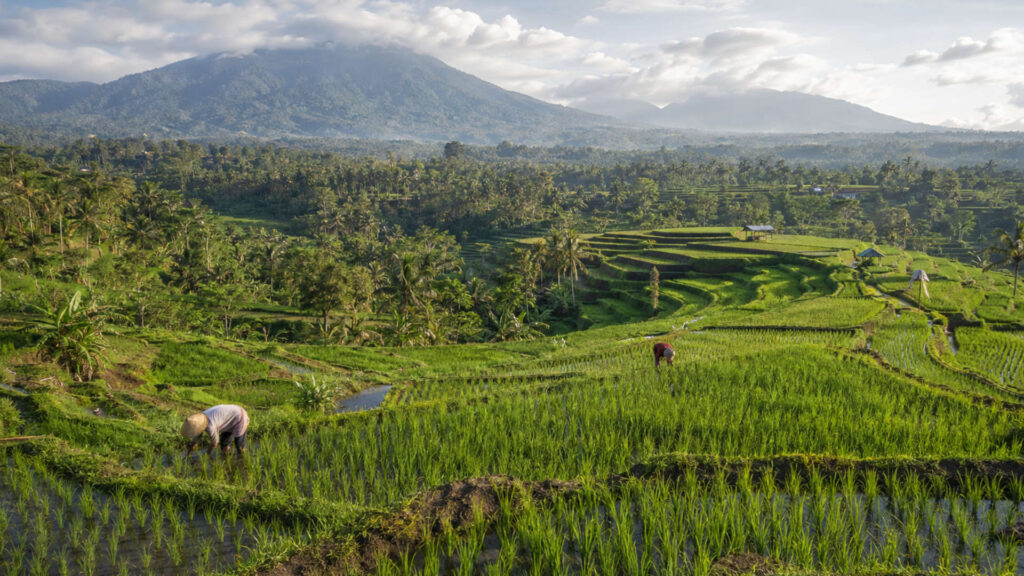
One of Bali’s most spectacular UNESCO World Heritage landscapes.
Driving time: around 45 minutes.
Continue your day exploring:
After years of driving visitors around Bali, I’ve found these tips make a real difference:
Using a private driver allows you to enjoy the forest without worrying about parking, navigation, or changing traffic conditions.
8:00 AM – Depart from Ubud or Canggu
9:00 AM – Explore Sangeh Monkey Forest
10:30 AM – Coffee break at a nearby café
11:30 AM – Visit Taman Ayun Temple
1:00 PM – Lunch at a local Balinese restaurant
2:30 PM – Return to your hotel or continue to Jatiluwih Rice Terraces
After exploring the forest, consider stopping at local restaurants and cafés in the Sangeh and Mengwi area, where you’ll find Balinese specialties such as nasi campur, ayam betutu, and satay.
If you’re continuing toward Ubud, you’ll have an even wider choice of cafés serving Indonesian and international cuisine.
If you enjoy nature, wildlife, and authentic Balinese culture, the answer is yes.
Sangeh offers a slower pace than many of Bali’s better-known attractions. The ancient forest, sacred temple, and relaxed atmosphere make it an excellent destination for travelers looking beyond the island’s busiest tourist spots.
It also fits perfectly into a full-day tour of central Bali alongside Taman Ayun, Jatiluwih Rice Terraces, or Ubud.
Whether you’re visiting Bali for the first time or returning to explore lesser-known places, Sangeh Monkey Forest provides a memorable experience that combines culture, history, and natural beauty.
Sangeh Monkey Forest is easiest to visit as part of a customized Bali day tour. A private driver lets you travel at your own pace, avoid the hassle of navigating unfamiliar roads, and combine nearby attractions such as Taman Ayun Temple, Jatiluwih Rice Terraces, or Ubud in a single day. If you’re planning a flexible itinerary, a private driver can also recommend the best departure times based on current traffic and local events, helping you make the most of your Bali holiday.
Sangeh Monkey Forest is located in Sangeh Village, Badung Regency, about 30–40 minutes north of Ubud.
It depends on your preference. Sangeh is quieter and less crowded, while Ubud Monkey Forest is larger and more centrally located.
Most visitors spend between one and two hours exploring the forest and temple surroundings.
The monkeys are wild animals. They are generally calm if visitors avoid feeding them, teasing them, or carrying visible food.
Wear comfortable walking shoes and modest clothing, especially if you plan to visit the temple area.
Yes. Families are welcome, but children should always be supervised around the monkeys.
Yes, parking is generally available near the entrance for both cars and motorbikes.
Yes. Popular combinations include Taman Ayun Temple, Jatiluwih Rice Terraces, Alas Kedaton, and Ubud.
Morning, between 8:30 AM and 10:30 AM, offers cooler weather, softer light, and fewer visitors.
While you can drive yourself, many travelers prefer hiring a private driver to enjoy a more flexible itinerary, avoid navigating unfamiliar roads, and combine Sangeh with nearby attractions in one convenient trip.

After sending email information to us, we will contact you as soon as possible via email sent directly





balidriverandtour12@gmail.com
+62 812 378 153 55

Bali Driver & Tour – 2024