- We are open every : MON - SUN : 6:00AM - 7:00 PM
- balidriverandtour12@gmail.com
When travelers hear the phrase Bali UNESCO Sites, many assume it refers to a single temple or famous landmark. In reality, Bali’s UNESCO recognition celebrates an entire cultural landscape that has shaped the island for over a thousand years.
As someone who has spent years driving visitors around Bali, I’ve noticed that many travelers only stop for photos at one or two locations without understanding the remarkable story connecting them all. The real experience comes from seeing how ancient temples, mountain lakes, rice terraces, and traditional irrigation systems work together as one living heritage.
If you’re planning your Bali holiday, this guide will help you understand what makes Bali’s UNESCO Sites unique, how to visit them efficiently, and practical travel tips to make your journey more enjoyable.
In 2012, UNESCO designated the Cultural Landscape of Bali Province: the Subak System as a Manifestation of the Tri Hita Karana Philosophy as a World Heritage Site.
Rather than recognizing one monument, UNESCO acknowledged the centuries-old relationship between:
The recognition highlights Bali’s famous Subak irrigation system, where water is managed collectively through traditional organizations linked to water temples.
This system reflects the Balinese philosophy of Tri Hita Karana, emphasizing harmony between people, nature, and the spiritual world.
Although commonly called “Bali UNESCO Sites,” the heritage consists of six connected locations.
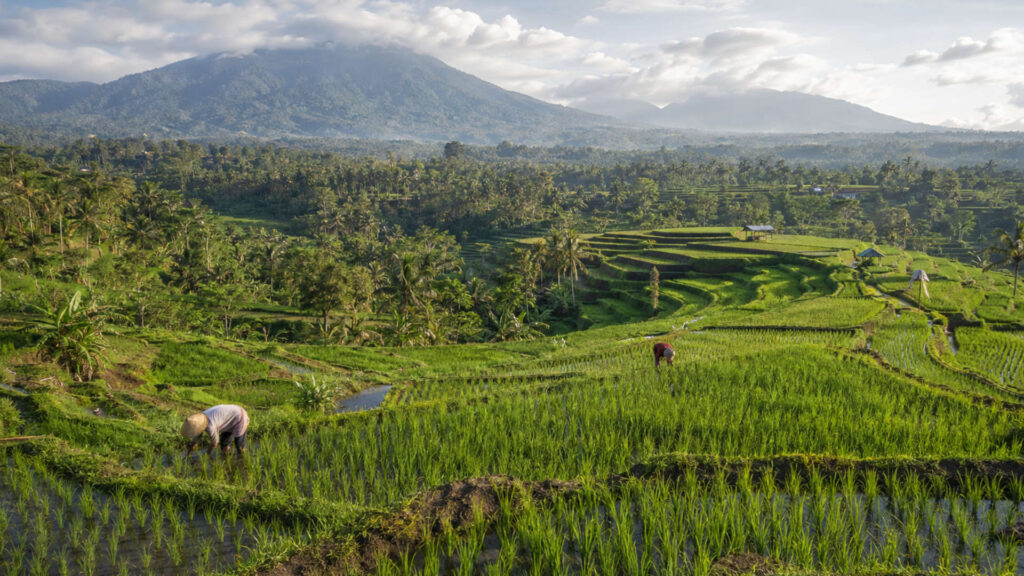
Jatiluwih is perhaps the most iconic UNESCO destination in Bali.
Located on the slopes of Mount Batukaru in Tabanan Regency, these expansive rice terraces stretch across hundreds of hectares.
Unlike the smaller and busier rice terraces around Ubud, Jatiluwih offers:
The terraces showcase the Subak irrigation system still used today by local farmers.
Visitors can enjoy scenic walks ranging from 30 minutes to several hours.
Opening Hours
Entrance Fee
Fees occasionally change, so it’s best to verify before visiting.
Leave South Bali around 7:00 AM to arrive before tour buses. Morning light also creates the best photography conditions.
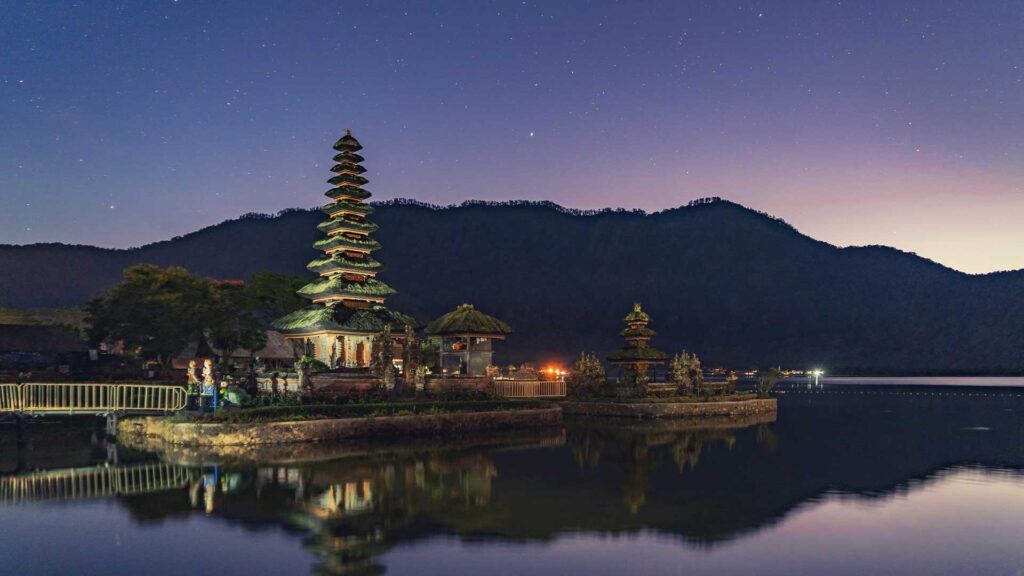
Often confused with Ulun Danu Beratan, Pura Ulun Danu Batur is one of Bali’s most important water temples.
Located in Kintamani, this temple plays a central role in the island’s irrigation network.
It is dedicated to Dewi Danu, the goddess of lakes and water.
Visitors should:
Lake Batur supplies water to much of Bali’s irrigation system.
The volcanic lake sits inside the ancient Mount Batur caldera and provides breathtaking scenery.
Many visitors combine Lake Batur with:
Morning often offers clearer mountain views before clouds develop.
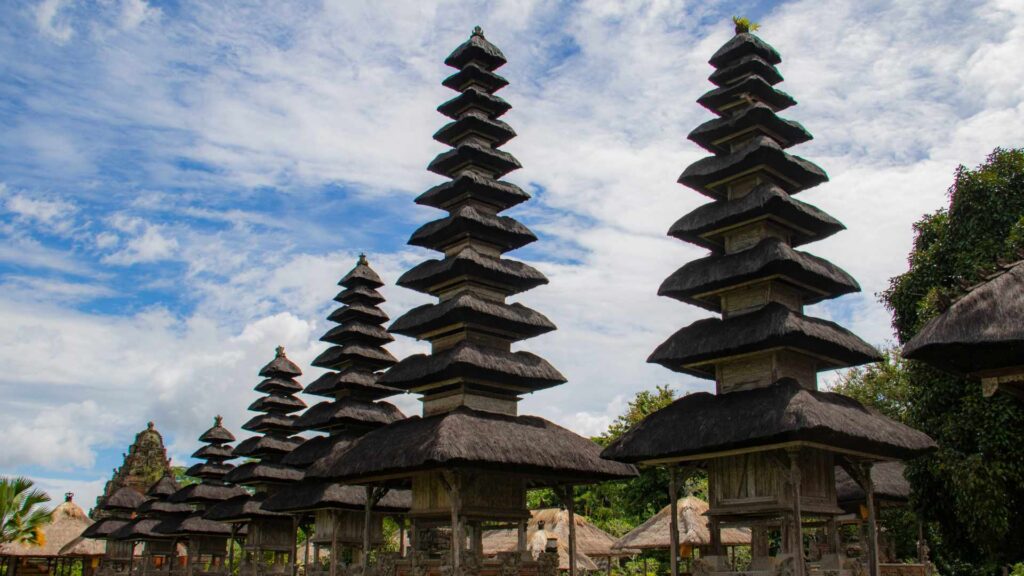
Located in Mengwi, Taman Ayun is one of Bali’s most elegant royal temples.
Its beautifully landscaped gardens, lotus ponds, and multi-tiered shrines represent classic Balinese architecture.
Although not as crowded as some other temples, it remains one of the finest examples of Bali’s historical temple design.
Typically open daily.
Check current operating hours before your visit.
Morning provides softer light and fewer visitors.
Hidden on the forested slopes of Mount Batukaru, this temple feels completely different from Bali’s coastal temples.
Cool temperatures, giant tropical trees, and mountain mist create a peaceful atmosphere.
Many visitors skip Batukaru, making it one of the quieter UNESCO locations.
Roads leading to Batukaru are generally in good condition but become narrower as you approach the temple. Driving is straightforward, though caution is recommended during heavy rain.
Near Ubud lies another important UNESCO component centered around the Pakerisan River.
This area includes:
Many visitors unknowingly pass through this region while visiting attractions such as Tirta Empul and Gunung Kawi.
Unlike many World Heritage Sites focused on ancient ruins or monuments, Bali’s designation recognizes a living cultural system.
Farmers continue using the Subak irrigation method today.
Water temples still coordinate agricultural calendars.
Communities continue practicing ceremonies connected to rice cultivation.
This combination of living traditions makes Bali’s UNESCO landscape one of the world’s most unique cultural heritage areas.
Because the UNESCO locations are spread across different regions, it’s difficult to see everything in one day.
A private vehicle provides the most flexibility.
Lunch recommendation:
Try a local restaurant overlooking the rice fields around Jatiluwih, where many establishments serve traditional Balinese dishes with panoramic views.
This route offers cooler weather and impressive volcanic scenery.
Approximate travel times (traffic dependent):
| Departure Area | Jatiluwih | Taman Ayun | Kintamani |
|---|---|---|---|
| Ubud | 1.5 hours | 1 hour | 1 hour |
| Seminyak | 2–2.5 hours | 1 hour | 2.5 hours |
| Canggu | 2–2.5 hours | 1 hour | 2.5 hours |
| Kuta | 2.5 hours | 1.5 hours | 2.5–3 hours |
| Nusa Dua | 3 hours | 2 hours | 3 hours |
Traffic is usually heaviest between 10:00 AM and 3:00 PM around central Bali.
The dry season from April to October generally offers the clearest mountain views and comfortable walking conditions.
During the rainy season:
Early morning remains the best time for sightseeing year-round.
For the best photos:
Families will appreciate:
Senior travelers may prefer:
After years of guiding travelers around Bali, these small details often make the biggest difference:
Since the UNESCO locations are spread across Central, West, and North Bali, public transportation is limited.
Hiring a Private Driver Bali allows you to:
Many visitors also combine UNESCO sites with an Ubud Tour, East Bali Tour, or North Bali Tour to experience more of the island in a single trip.
The Bali UNESCO Sites offer far more than beautiful temples or scenic rice terraces. They reveal how Balinese culture, religion, farming, and community life have remained interconnected for centuries.
Rather than checking off landmarks, take time to understand the living traditions behind each destination. Whether you’re walking through the peaceful rice fields of Jatiluwih, visiting the sacred water temple at Batur, or exploring Bali’s historic irrigation landscapes, you’ll gain a deeper appreciation of what makes the Island of the Gods truly unique.
If you’re planning to visit several UNESCO locations in one journey, arranging a private driver can make the experience more comfortable, efficient, and flexible while allowing you to discover hidden viewpoints and local recommendations along the way.
They are six interconnected locations recognized as the Cultural Landscape of Bali Province, celebrating the traditional Subak irrigation system and the philosophy of Tri Hita Karana.
Jatiluwih Rice Terraces is the most visited UNESCO component thanks to its expansive landscapes and well-preserved farming traditions.
It’s possible but not recommended. A two-day itinerary allows more time to appreciate each location without rushing.
Most locations charge individual entrance fees, which may change periodically. Check official sources or local tourism offices before your visit.
Early morning during the dry season (April–October) offers cooler temperatures, clearer views, and fewer crowds.
Yes. Sites like Jatiluwih and Taman Ayun have accessible paths and open spaces suitable for families.
Wear modest clothing covering your shoulders and knees. A sarong is often required when entering temple grounds.
The Subak system is a traditional cooperative irrigation method that reflects Bali’s philosophy of harmony between people, nature, and spirituality.
Yes. Since the UNESCO locations are spread across different regions with limited public transportation, a private driver offers the most convenient and flexible way to explore them.
Absolutely. Many travelers combine them with Ubud, Kintamani, waterfalls, coffee plantations, or North Bali sightseeing for a full-day or multi-day itinerary.

After sending email information to us, we will contact you as soon as possible via email sent directly





balidriverandtour12@gmail.com
+62 812 378 153 55

Bali Driver & Tour – 2024