- We are open every : MON - SUN : 6:00AM - 7:00 PM
- balidriverandtour12@gmail.com
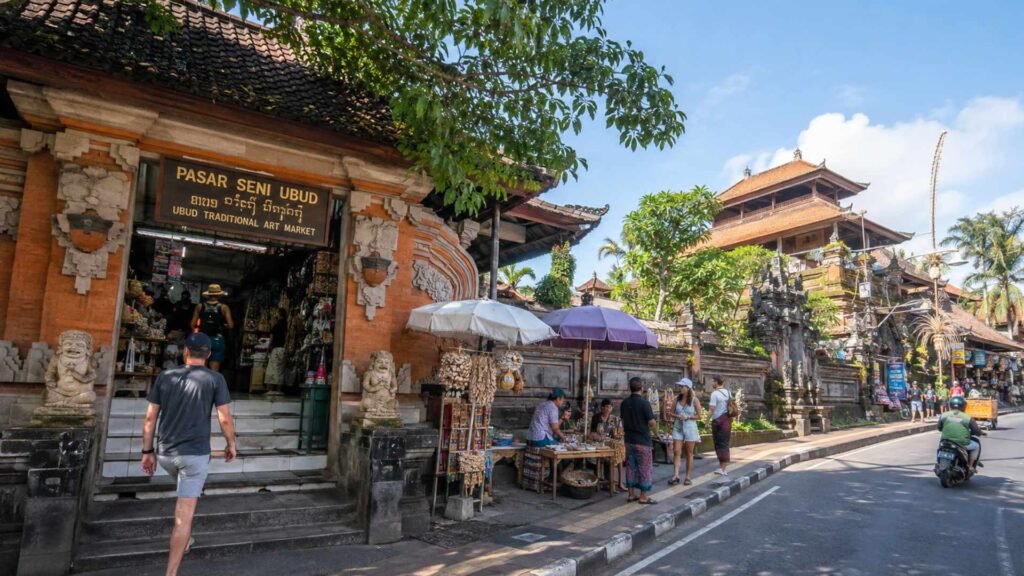
The Ubud Traditional Art Market is one of Bali’s most famous places to shop for authentic handicrafts, handmade souvenirs, and local artwork. Located in the center of Ubud, directly across from Ubud Palace, this lively market offers much more than souvenirs—it provides a glimpse into Balinese creativity, culture, and daily life.
As a local driver who has brought visitors here for many years, I’ve noticed that travelers who enjoy the market the most aren’t necessarily the ones who spend the most money. They’re the ones who know when to arrive, how to bargain politely, and how to combine the market with other nearby attractions for a relaxed day in Ubud.
Whether you’re looking for handcrafted baskets, paintings, textiles, silver jewelry, or unique home décor, this guide will help you make the most of your visit.
Unlike many souvenir shops around Bali, the Ubud Traditional Art Market brings together products from skilled artisans across the island.
Many items come from nearby craft villages such as:
This makes the market an excellent place to discover different Balinese art styles without driving to several villages.
While some products are also sold elsewhere, the market remains one of the best places to compare craftsmanship, designs, and prices in one location.
The market is located in central Ubud along Jalan Raya Ubud.
Its convenient location places it within walking distance of several popular attractions, including:
Because everything is close together, many visitors spend half or even a full day exploring the surrounding area.
Most stalls generally open around:
Some vendors may stay open later depending on visitor numbers and local events.
Opening times occasionally change during religious ceremonies or public holidays, so it’s worth checking locally if you’re visiting during major Balinese festivals.
There is no entrance fee to enter the Ubud Traditional Art Market.
You only pay for the items you purchase.
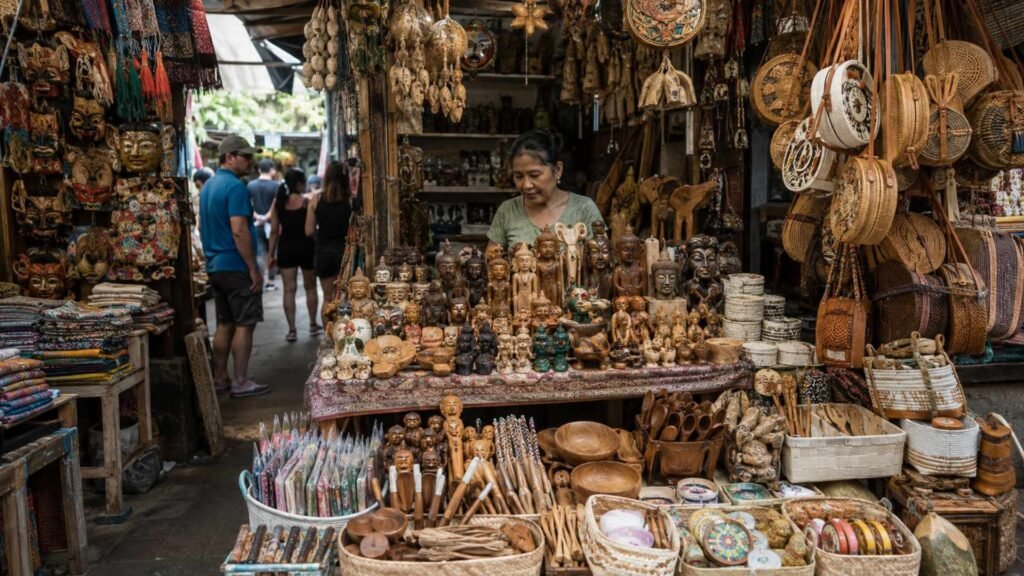
One of the biggest attractions of the market is its incredible variety.
Popular items include:
You’ll find woven rattan bags, bamboo handbags, straw purses, and beach bags that have become popular worldwide.
Many are handmade by local families.
Traditional fabrics include:
These make excellent gifts and lightweight souvenirs.
From small statues to intricate decorative panels, wood carvings represent centuries of Balinese craftsmanship.
Look for smooth finishing, detailed carving, and solid wood rather than lightweight imitation pieces.
Many local artists display colorful paintings inspired by Balinese landscapes, temples, dancers, and village life.
Some vendors can arrange shipping for larger artwork.
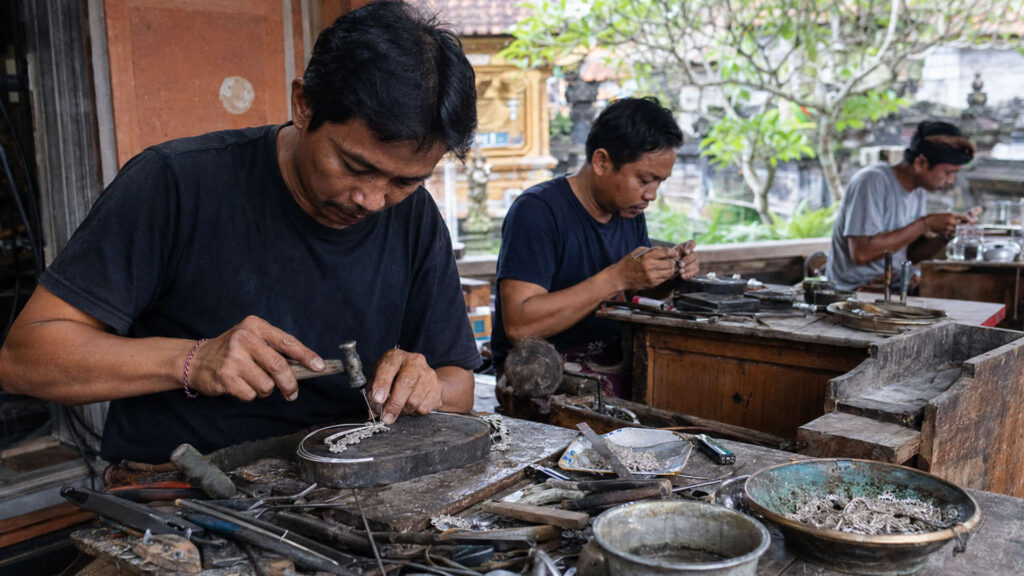
Although Celuk Village specializes in silver, several market stalls also offer rings, bracelets, earrings, and necklaces inspired by traditional Balinese designs.
You’ll also find:
From around 8:00 AM to 10:00 AM, the market is much quieter.
Benefits include:
Some locals also believe the first sale of the day brings good luck, so friendly bargaining during the morning may sometimes lead to better prices.
Around 4:00 PM onward, the weather becomes cooler again.
This is another pleasant time to explore, although visitor numbers may increase depending on the season.
After years of bringing travelers here, these are the tips I share before every visit.
Several vendors may sell similar products.
Walk through a few sections before making your decision.
Negotiation is common, but always remain friendly and respectful.
A smile goes a long way.
Rather than offering an extremely low price, try negotiating reasonably until both sides are happy.
Many stalls now accept digital payments or cards, but cash remains the easiest payment method for smaller purchases.
Handmade products naturally vary.
Look at stitching, finishing, and materials before buying.
If you’re purchasing paintings or larger wooden carvings, ask whether international shipping is available.
Bali’s rainy season usually runs from approximately November through March.
The market remains open during light rain because many sections are covered.
However:
Morning visits are often drier than late afternoon during the wet season.
Parking around central Ubud can become busy, especially between late morning and mid-afternoon.
If you’re driving yourself:
Many visitors prefer using a Private Driver Bali service to avoid parking and traffic, especially if they’re planning to visit several attractions in one day.
One reason the market is so popular is its excellent location.
A full-day Ubud itinerary can easily include several nearby attractions.
Located directly across the road, the palace showcases traditional Balinese architecture and often hosts evening cultural dance performances.
Just a short walk away, this beautiful temple is known for its lotus pond and elegant stone carvings.
Remember to dress respectfully and follow any posted temple etiquette if entering areas open to visitors.
Only a few minutes away by car, this nature reserve is home to hundreds of long-tailed macaques.
Avoid carrying visible food, and keep valuables secure around the monkeys.
Ideal for travelers who enjoy nature, this scenic walking trail offers beautiful valley views and is best visited early in the morning.
After shopping, central Ubud offers plenty of dining options.
Popular choices include:
Since restaurants can become busy during lunch, making a reservation is helpful during peak travel seasons.
8:00 AM – Arrive at Ubud Traditional Art Market
9:30 AM – Visit Ubud Palace
10:00 AM – Walk to Saraswati Temple
11:00 AM – Coffee break at a nearby café
12:00 PM – Lunch in central Ubud
1:30 PM – Continue to Ubud Monkey Forest or Campuhan Ridge Walk
This relaxed itinerary lets you enjoy shopping, culture, and nature without feeling rushed.
The market is especially suitable for:
Young children should be supervised during busy periods because some walkways become crowded.
Many first-time visitors make the same mistakes.
Avoid these to enjoy a smoother experience:
From popular tourist areas, approximate driving times are:
Travel times vary depending on traffic, weather, and local ceremonies. Leaving early in the morning usually provides the smoothest journey.
If you’re planning to visit multiple attractions around Ubud, hiring a private driver can make the day more convenient by eliminating parking concerns and allowing for a flexible schedule.
The Ubud Traditional Art Market remains one of the best places in Bali to experience local craftsmanship, support Balinese artisans, and take home meaningful souvenirs. Beyond shopping, it offers a chance to appreciate the creativity that has shaped Ubud’s reputation as Bali’s cultural heart.
Visit early, take your time exploring the stalls, and combine the market with nearby attractions like Ubud Palace and Saraswati Temple for a rewarding day out. Whether you’re searching for handmade gifts, traditional textiles, or unique home décor, the market continues to be a memorable stop on any Bali itinerary.
Yes. It is one of Bali’s best places to shop for handmade crafts, textiles, artwork, and authentic souvenirs while experiencing Ubud’s cultural atmosphere.
Early morning between 8:00 AM and 10:00 AM is ideal for cooler weather, lighter crowds, and easier shopping.
Yes. Friendly and respectful bargaining is common and expected at many stalls.
No. Entry to the market is free.
Most visitors spend between one and three hours, depending on how much shopping they plan to do.
Some vendors accept cards or digital payments, but carrying cash is recommended for smaller purchases.
Yes. Families, couples, and senior travelers can all enjoy the market, although it can become crowded during peak hours.
Nearby attractions include Ubud Palace, Saraswati Temple, Ubud Monkey Forest, and Campuhan Ridge Walk.
Yes. Many areas are covered, but bringing an umbrella and wearing non-slip footwear is recommended.
Driving with a private driver is one of the most convenient options, especially if you plan to visit several attractions around Ubud in the same day.

After sending email information to us, we will contact you as soon as possible via email sent directly





balidriverandtour12@gmail.com
+62 812 378 153 55

Bali Driver & Tour – 2024