- We are open every : MON - SUN : 6:00AM - 7:00 PM
- balidriverandtour12@gmail.com
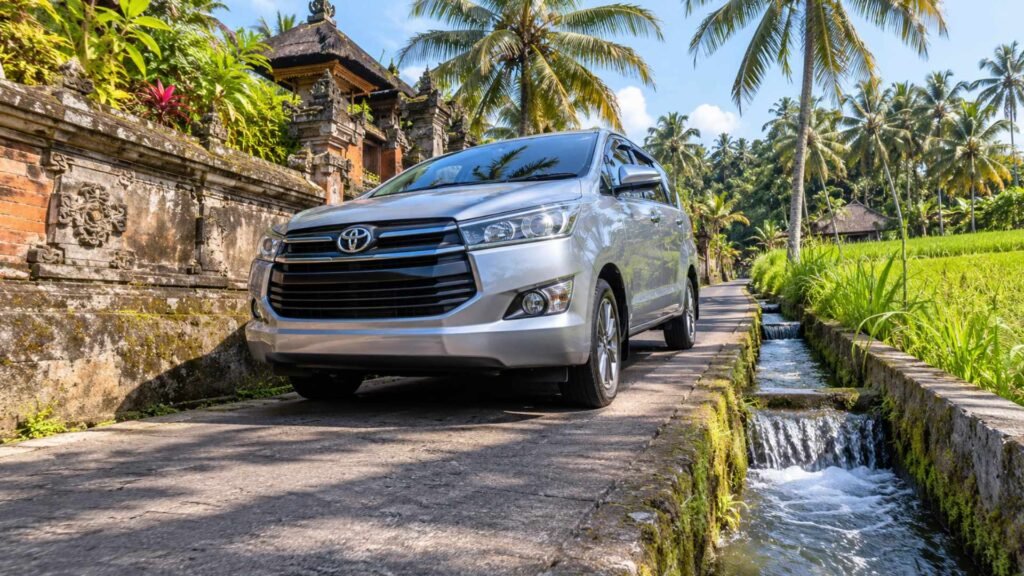
Stepping out onto Jalan Raya Ubud or Jalan Monkey Forest for the first time, you will hear a rhythmic, almost hypnotic chorus from every street corner: “Taxi, yes? Transport today, Boss?” Finding a dependable ubud taxi driver can feel overwhelming when you are jet-lagged, navigating broken sidewalks, and dodging streams of motorbikes. As local drivers who have navigated these winding Gianyar roads for decades, we know the transport landscape here confuses even seasoned travelers.
Ubud does not operate like southern beach resorts such as Kuta or Seminyak. There are no metered Bluebird sedans cruising past, ride-hailing phone apps face strict village restrictions, and narrow roads can turn a three-kilometer journey into a forty-minute crawl.
Whether you need a quick point-to-point lift across town, a reliable transfer, or a full day out among the waterfalls and rice terraces, this guide shares genuine road realities, honest local pricing, and practical transport advice.
If you wave down a roadside ubud taxi driver, keep in mind that they do not use digital meters; every single ride is negotiated on the spot. . Decades ago, local village communities organized dedicated transport cooperatives (paguyuban) to ensure tourism income directly supported resident village families rather than outside corporate fleets.
Because of this system, rideshare apps (such as Grab and Gojek) operate under strict community-enforced boundaries:
Drop-Offs Are Welcomed: An app driver can bring you into central Ubud from the airport, Canggu, or Sanur without issue.
Pickups Are Strictly Regulated: In central Ubud, signs read “Online Taxi Drop Off Only / No Pick Up.” While app drivers occasionally risk picking up passengers in fringe areas, banjar members actively monitor popular spots like the Ubud Traditional Art Market, the Sacred Monkey Forest Sanctuary, and Jalan Hanoman.
The Street Taxi Conundrum: If you wave down a street-side ubud taxi driver, they do not use meters. Every fare is negotiated on the spot. Without knowing baseline local rates, visitors often pay inflated prices for short trips down the road.
If you rely solely on roadside bargaining for every leg of your day, your travel costs multiply quickly. Securing a trusted, pre-arranged driver removes the friction of endless haggling.
Every transport method in Ubud serves a different travel style. Choosing the right option depends on your plans:
| Transport Option | Best Used For | Typical Pricing Structure | Primary Advantage | Major Drawback |
| Street-Side Ubud Taxi | Short, spontaneous hops within town (e.g., dining out) | Flat negotiated cash fare (IDR 70,000 – 150,000 per hop) | Immediate availability on busy central streets | Requires aggressive bartering; high cumulative cost |
| Ride-Hailing Apps (Grab/Gojek) | Cheap one-way drops into Ubud from southern Bali | Distance-based automated calculation | Transparent in-app pricing | Central pickups frequently cancelled due to local banjar rules |
| Rented Scooter | Solo travelers / couples with valid international permits | Daily rental (IDR 85,000 – 150,000 per day) | Total personal freedom through narrow shortcuts | High accident risk; hazardous during afternoon downpours |
| Full-Day Private Driver | Exploring temples, waterfalls, rice terraces, and day tours | Fixed daily rate (IDR 600,000 – 800,000 / 10 hours) | Total flexibility, air conditioning, fuel & parking included | Must be arranged at least 12–24 hours in advance |
For day trips visiting multiple sights around Gianyar and Bangli, booking a [Internal Link: dedicated Bali private driver -> /bali-private-driver] is far more economical and comfortable than trying to find a new street taxi after every temple visit.
Distances on a map in Bali are deceiving. A destination 15 kilometers away can take over an hour to reach due to narrow lanes, delivery trucks unloading on single-lane roads, and ceremonial street processions (Ngaben or temple anniversaries).
Ngurah Rai International Airport (DPS) to Central Ubud: 37 km | Realistic time: 1.5 to 2.5 hours. Peak rush hours (4:00 PM – 7:30 PM) along the Batubulan and Celuk corridor add significant transit time. Pre-booking your [Internal Link: private airport transfer to Ubud -> /bali-airport-transfer] spares you from negotiating with aggressive arrival-hall touts after a long flight.
Central Ubud to Tegalalang Rice Terraces: 10 km | Realistic time: 30 to 45 minutes. The northbound road climbs steadily and narrows through traditional woodcarving villages.
Central Ubud to Tibumana or Kanto Lampo Waterfall: 16 km | Realistic time: 45 to 60 minutes. Requires navigating winding rural Gianyar side-roads with sharp 90-degree village corners.
Central Ubud to Sanur: 24 km | Realistic time: 45 to 65 minutes. Smooth travel via the Ida Bagus Mantra bypass once clear of southern Batubulan traffic.
Central Ubud to Canggu or Seminyak: 30 km | Realistic time: 1.5 to 2 hours. The rural shortcuts through Mambal and Buduk become heavily congested during midday and evening hours.

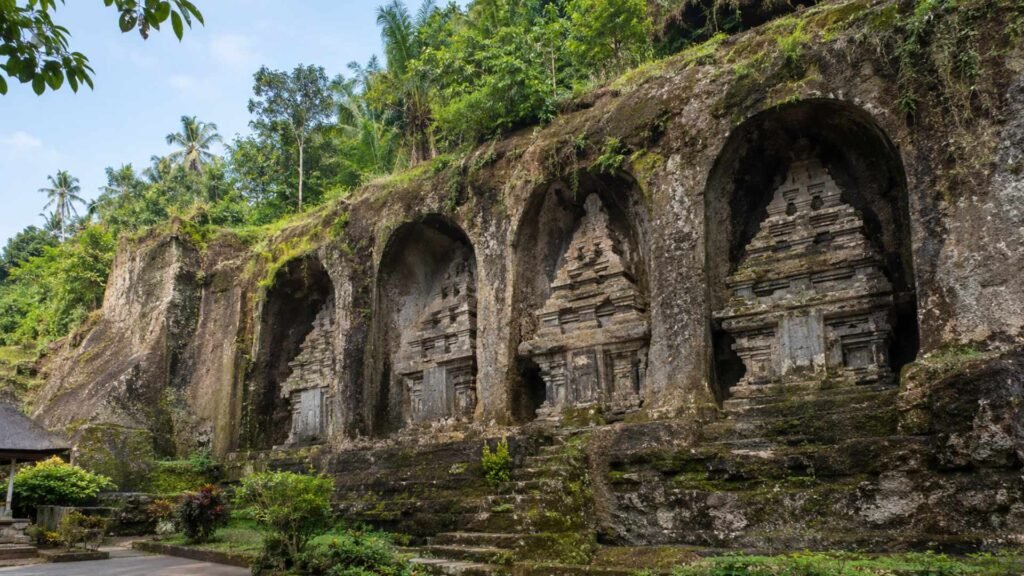
Driving around Ubud demands constant vigilance and intimate local knowledge. If you decide to self-drive or rent a scooter, keep these practical road warnings in mind:
Small single-lane concrete paths, like the famous Penestanan or Campuhan side-alleys, are barely wide enough for two passing motorbikes. Cars cannot enter these tracks. If Google Maps instructs you to turn down a tiny lane flanked by open concrete irrigation ditches (got), do not attempt it in a car. Professional drivers know which village shortcuts are safe and which are dead ends.
During the wet season (and occasionally in the dry season due to Ubud’s proximity to Mount Batur), sudden tropical downpours happen fast. Roads turn slick instantly, and open drainage channels along the road edges fill with fast-moving runoff. Our team always checks tire tread depths and windshield wiper conditions daily before heading into the hills.
Balinese village dogs (anjing Bali) roam freely and often sleep right on the warm asphalt around blind corners. Local etiquette requires tapping your horn lightly twice before navigating blind, walled corners in traditional residential compounds (gang).
Rather than hiring multiple point-to-point taxis throughout the day, an organized circuit makes the best use of your time. This scenic, proven route balances cultural landmarks, natural vistas, and relaxed meal stops:
08:30 AM – Campuhan Ridge Walk: Start early before the equatorial sun peaks. This breezy ridge walk offers wide views over the lush Wos River valley.
10:00 AM – Tirta Empul Holy Water Temple: Head 30 minutes north to Tampaksiring. Walk through the inner courtyard to witness the sacred purification springs.
12:15 PM – Tegalalang Rice Terraces & Traditional Lunch: Admire the traditional Subak cooperative irrigation system built along steep ravines. Stop for a lunch of Nasi Campur or grilled fish at a roadside warung overlooking the valley.
02:00 PM – Tibumana Waterfall: A calm, curtain-style waterfall tucked inside a shaded canyon near Bangli. The walk down follows a stable concrete staircase through bamboo groves.
03:45 PM – Mas Woodcarving or Celuk Silver Village: Meet skilled artisan families who have practiced their crafts for generations inside traditional family compounds.
05:30 PM – Return to Ubud Center: Arrive back at your hotel or villa in time to shower and head out for dinner.
Booking a [Internal Link: customizable Ubud day tour -> /ubud-day-tour] allows you to adjust this itinerary on the fly based on your personal pace and daily weather changes.
In Bali, roads serve as living spaces for spiritual devotion, not just vehicle transit. Understanding local customs prevents awkward cultural misunderstandings:
Ceremonial Processions (Melasti & Pawedalan): When you encounter a village procession of residents dressed in white and yellow carrying sacred temple heirlooms down the main road, never honk. Drivers must pull to the shoulder, turn off music, and wait patiently until the procession passes.
Stepping on Daily Offerings (Canang Sari): These woven palm-leaf baskets containing flowers, incense, and rice sit directly outside shop doors, on steps, and on parking aprons. Always watch your step. If your car tire accidentally brushes an offering on an active street, do not panic, but make every reasonable effort to avoid driving over them.
Temple Dress Codes: When your driver brings you to sacred village sites, you must wear a proper sarong and waist sash (selendang). Our [Internal Link: professional English-speaking drivers -> /about-our-drivers] carry clean, spare sarongs inside the car for guests to use, saving you from pushy sarong rental vendors at temple entry gates.
To help you budget accurately, here is a transparent overview of standard transport, entrance fees, and parking rates throughout the Gianyar and Ubud regencies:
Sacred Monkey Forest Sanctuary: IDR 80,000 (Weekdays) / IDR 100,000 (Weekends)
Tirta Empul Water Temple: IDR 50,000 (Includes locker access for bathing)
Tegalalang Rice Terrace Trekking Points: IDR 25,000 – 50,000
Tibumana Waterfall: IDR 20,000
Goa Gajah (Elephant Cave): IDR 50,000
Most village attractions levy a small parking fee collected by local village attendants:
Motorbike Parking: IDR 2,000 – 5,000
Car Parking: IDR 5,000 – 10,000
When you book our [Internal Link: transparent full-day car hire service -> /bali-car-charter], parking fees, fuel, and driver meals are clearly accounted for, so there are no surprises at the end of your journey.
Navigating street haggling, app pickup boundaries, and steep hillside curves should not overshadow your time in Bali’s cultural heart. Travel comfortably with a trusted, certified local driver who knows the road conditions, the quietest times to visit key sights, and the genuine stories behind our island’s traditions.
Enjoy a spotless, air-conditioned vehicle, complimentary chilled water, flexible custom routes, and clear, honest flat-rate pricing with zero hidden fees.
Service Includes: Modern 7-Seater MPV, dedicated English-speaking local Balinese driver, unlimited fuel, parking fees, and complete schedule flexibility.
You can use ride-hailing apps for drop-offs into Ubud, but pickups within central Ubud are strictly restricted by local village transport cooperatives. App drivers will often message asking you to walk several blocks outside the designated zone or cancel the booking outright. For hassle-free travel, rely on pre-arranged private drivers.
Renting a scooter works well for confident, licensed solo riders making short neighborhood hops. However, narrow roads, heavy midday traffic, unpredictable tropical downpours, and steep ravines make hiring a private car and driver far safer and more comfortable for couples, families, and full-day sightseeing excursions.
No. Local taxis operating on the streets in Ubud do not use digital taximeters. Every ride requires negotiating a fixed cash price before you enter the car. Always confirm the final agreed amount and ensure it covers all passengers and luggage before departing.
Under normal traffic conditions, the 37-kilometer journey takes approximately 1.5 hours. During peak afternoon commute times, holidays, or rainstorms, travel time can extend to 2.5 hours. We recommend booking an airport transfer in advance so your driver can monitor your flight and greet you directly at arrivals.
Tipping is not mandatory in Balinese culture, but it is deeply appreciated for good service. If your driver was courteous, safely navigated traffic, shared local insights, and kept the car cool and clean, a tip of IDR 50,000 to IDR 100,000 for a full day is considered generous and polite.
Yes. Professional local Balinese drivers are familiar with temple customs, layout, and historical backgrounds. While they may not accompany you on lengthy wilderness hikes, they ensure you are dressed respectfully with sarongs and sashes, guide you through entry gates, and explain ongoing ceremonial activities.

After sending email information to us, we will contact you as soon as possible via email sent directly





balidriverandtour12@gmail.com
+62 812 378 153 55

Bali Driver & Tour – 2024