- We are open every : MON - SUN : 6:00AM - 7:00 PM
- balidriverandtour12@gmail.com
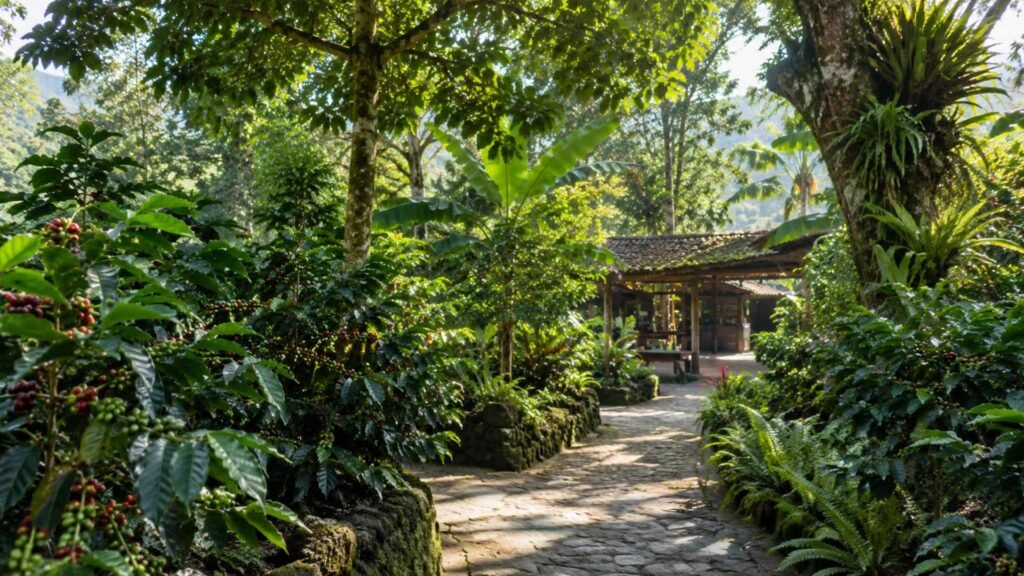
A visit to Satria Coffee Plantation can add a different kind of experience to a Bali holiday. Instead of spending another hour at a beach or viewpoint, you can explore the island’s coffee culture, learn about Indonesian beverages, and discover how agricultural products become part of everyday life.
For travelers exploring the countryside around Ubud, a coffee plantation stop may fit naturally between cultural attractions, village visits, and scenic drives. It can also be an opportunity to slow down during a busy sightseeing day.
However, not every coffee plantation offers the same experience. Some focus on explaining coffee production, while others place greater emphasis on tastings and packaged products. Knowing what you want from your visit will help you decide whether Satria Coffee Plantation belongs on your itinerary.
This guide covers the experience to look for, practical travel considerations, coffee choices, responsible tourism, and ways to combine the visit with other destinations in Bali.
Satria Coffee Plantation is associated with Bali’s coffee tourism scene, where visitors can explore coffee-related products and sample selected beverages in a tropical setting.
The attraction may appeal to travelers who are curious about the differences between Indonesian coffee varieties or who want a short break from visiting temples and other popular sights.
The experience is different from sitting in a conventional coffee shop. A plantation-style visit can introduce you to the ingredients, preparation methods, and agricultural traditions connected with coffee.
The exact activities available can change, so do not assume that every visit includes access to active growing areas, harvesting demonstrations, or roasting facilities. Ask what is actually available when you arrive.
Indonesia produces coffee in several regions, each with its own growing conditions and flavor characteristics. Bali is part of this wider coffee-producing landscape, alongside regions such as Sumatra, Java, and Sulawesi.
The taste of coffee depends on several factors, including the bean variety, growing environment, processing method, roast level, and brewing technique.
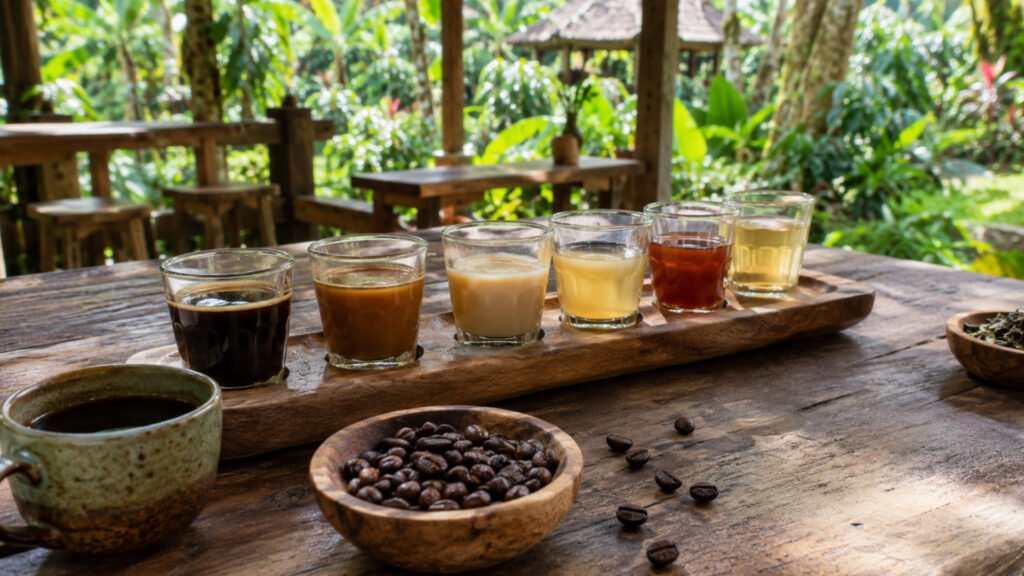
For example, a darker roast may produce deeper roasted flavors, while other preparations can emphasize fruity, earthy, or more delicate notes. These differences are easier to appreciate when you compare small servings instead of drinking only one type.
If coffee interests you, ask the staff about the origin of the beans, how they are processed, and whether the products come from Bali or another Indonesian region.
These questions can make a tasting session more informative than simply trying several drinks without knowing what makes them different.
Before visiting, consider what you expect to see.
A working coffee farm may offer opportunities to observe growing plants, harvesting, drying, or processing. A visitor-oriented plantation may concentrate on product explanations, tasting sessions, and shopping.
These experiences are related, but they are not interchangeable.
If you want to see coffee plants or learn about harvesting, ask whether those activities are available during your visit. Coffee cherries ripen according to growing conditions and season, so a garden may look different at different times of the year.
If your main interest is sampling local drinks, a shorter visit may be enough.
Satria Coffee Plantation is associated with the Lodtunduh area of Ubud, Bali. Because destination listings and similarly named businesses can sometimes cause confusion, check the current map location before leaving your hotel.
The surrounding inland region offers opportunities to explore traditional villages, cultural attractions, gardens, and other countryside destinations.
A plantation visit can therefore work well as one stop in a larger journey rather than as a destination requiring a separate full-day trip.
Driving time depends on your departure point, the exact destination pin, traffic, and road conditions.
Use the following estimates for initial planning only:
Starting area | Approximate driving time |
|---|---|
Central Ubud | 20–45 minutes |
Sanur | 45–90 minutes |
Seminyak | 1–2 hours |
Canggu | 1–2 hours |
Kuta | 1–2 hours |
These are broad estimates, not guaranteed journey times. Congestion, ceremonies, rain, and roadworks can significantly affect travel.
Bali’s roads also vary in width and surface quality. Some countryside routes have narrow sections, village traffic, and limited places to pull over safely.
Practical advice: Check the route on the day of your visit and allow extra time if you are traveling from southern Bali. Avoid scheduling a tight activity immediately afterward.
The most useful way to approach a plantation visit is to focus on the experiences that interest you rather than assuming every advertised activity will be available.
A tasting session can help you discover whether you prefer a strong, roasted flavor or a lighter, more aromatic drink.
Try to identify differences in bitterness, aroma, body, and sweetness. If several samples are offered, taste them slowly and drink some water between servings.
You can also ask whether the drinks contain added sugar, milk, flavorings, or other ingredients. This is particularly useful if you prefer unsweetened coffee or have dietary restrictions.
Do not feel obliged to purchase a product simply because you have tasted it.
Coffee-related visitor attractions in Bali may also introduce traditional herbal drinks prepared with ingredients such as ginger or turmeric.
These beverages offer a different flavor profile from coffee and can be interesting for travelers who prefer non-coffee options.
Availability varies, so check the current selection rather than expecting a particular drink to be included.
If you have allergies or take medication that may interact with certain ingredients, ask for a full ingredient list instead of relying on general descriptions of a beverage as natural or traditional.
Coffee begins as a fruit rather than as the roasted brown beans familiar to most drinkers.
Depending on the available demonstration, you may be able to learn about coffee cherries, bean extraction, drying, roasting, and grinding.
Each stage influences the final product. Processing methods affect flavor development, while roasting changes the beans’ color, aroma, and taste.
If the plantation provides an explanation, ask which stages take place locally and which are performed elsewhere. This helps you understand whether you are seeing a complete production process or an introduction designed for visitors.
Some visitors enjoy buying packaged coffee or other beverages as souvenirs.
Before making a purchase, check the product’s origin, ingredients, net weight, packaging condition, and storage instructions. Where available, look for a producer name and roasting or packing date.
If you are buying coffee as a gift, consider whether the recipient prefers whole beans or ground coffee. Whole beans generally retain their aroma longer when stored properly, although the best choice depends on how the recipient prepares coffee.
Compare prices and quantities before buying several packages.
Not every Bali activity needs to involve climbing stairs, walking long distances, or following a tightly organized tour.
A coffee stop may offer a welcome pause during a day of sightseeing. Couples can enjoy a relaxed drink, families can take a break between attractions, and older travelers may appreciate having time to sit down.
If mobility is a concern, contact the attraction beforehand to ask about steps, walking distances, seating, toilets, and access to covered areas.
One subject that may come up during a Bali coffee plantation visit is kopi luwak.
This specialty coffee is produced using beans that have passed through the digestive system of a civet before being collected and processed. Its unusual production method has made it well known among visitors to Indonesia.
However, the product raises animal welfare concerns that deserve careful consideration.
Some civets used in the industry have been kept in captivity, sometimes in restrictive conditions. The welfare of these animals depends on how they are housed, handled, fed, and cared for.
If kopi luwak is offered during your visit, ask how the beans are sourced and whether the producer can explain its animal welfare practices.
Consider these points before purchasing:
Ask whether the beans come from wild-collected sources or captive animals.
Request clear information about sourcing and traceability.
Avoid supporting activities that involve handling stressed animals or keeping them in cramped cages.
Choose ordinary Indonesian coffee if the sourcing cannot be established confidently.
You can enjoy learning about Bali’s coffee culture without trying kopi luwak. There are many other Indonesian coffee varieties worth discovering.
Entrance fees, tasting arrangements, and opening hours can change. Confirm the latest information with the attraction before setting off rather than relying entirely on older travel recommendations.
Visitor detail | Planning advice |
|---|---|
Entrance fee | Ask whether general entry is free or chargeable |
Coffee tasting | Confirm which drinks are included |
Specialty beverages | Check prices before ordering |
Opening hours | Verify the current daily schedule |
Payment methods | Ask whether cash, cards, or digital payments are accepted |
Visit duration | Allow around 30–60 minutes for a short visit |
The suggested visit duration is a planning estimate, not an official time limit.
If you want a detailed explanation of coffee processing, have questions about the products, or plan to browse the shop, leave more time.
The best time depends on your route and whether you prefer a quiet stop or a more flexible sightseeing day.
Morning works well if you are leaving from Ubud or arranging several countryside stops.
Arriving earlier can give you more flexibility if traffic increases later. It also leaves room for lunch and other activities without making the afternoon too rushed.
If you are traveling from Seminyak or Kuta, remember that an early departure may be necessary to reach the area comfortably.
An afternoon visit may suit travelers who want a slower itinerary.
However, avoid arriving just before the published closing time. Allow enough time to taste the available drinks, ask questions, and browse products if you are interested.
Confirm operating hours before departure.
Rain can make travel through inland Bali slower, particularly on roads with limited drainage or narrow village sections.
Bring a compact umbrella or lightweight rain jacket, and wear footwear suitable for potentially wet paths.
If your visit includes outdoor demonstrations, ask whether they continue during heavy rain. Do not assume every garden or production area will remain accessible in poor weather.
Satria Coffee Plantation is most useful when it fits into a route that already takes you through the Ubud countryside.
Rather than crossing the island for a short coffee stop, select nearby destinations that match your interests.
You can combine a plantation visit with time in Ubud, where travelers can explore art shops, local markets, cultural spaces, and restaurants.
This combination is suitable if you want to experience both the countryside and the town without dedicating an entire day to either.
Allow time for traffic between stops and check the opening hours of any specific attraction you plan to visit.
Tirta Empul is a significant Balinese Hindu water temple in the Tampaksiring area. It may suit visitors who want to understand more about the island’s religious traditions.
Temple visits require a different approach from coffee tasting. Dress respectfully, follow instructions from temple staff, and ask about any rules governing sacred areas or purification rituals.
Check the route before combining the temple with the plantation, as the most efficient order depends on your starting point and other planned stops.
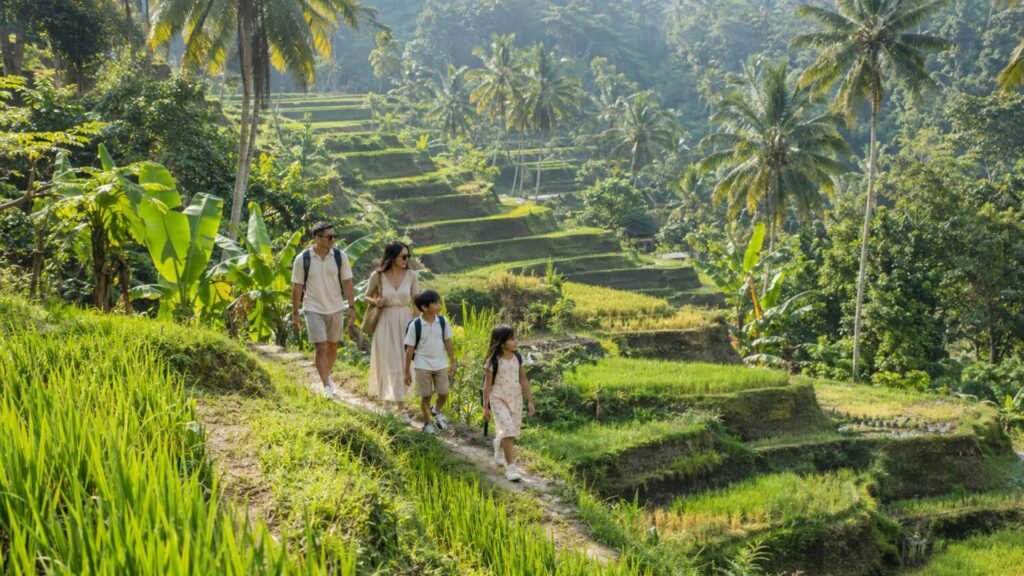
A rice terrace visit can complement a coffee stop if you want to experience Bali’s agricultural landscapes.
Choose a terrace that fits the day’s route instead of selecting one solely because it is popular on social media. Walking distances, entrance arrangements, weather, and road conditions can affect the experience.
If you intend to photograph farmers or people working in the fields, ask permission and avoid stepping onto cultivated areas without authorization.
A private driver can help coordinate several destinations in one day, especially if you are traveling with family or carrying photography equipment.
Share your preferred stops in advance and agree on the approximate schedule. A sensible itinerary usually allows time for lunch, traffic, and unexpected delays.
For travelers based in southern Bali, combining destinations along a suitable route is generally more practical than making repeated long journeys between distant areas.
Coffee-related details can make engaging travel photographs, even if the attraction is not famous for panoramic scenery.
Focus on small details. Photograph coffee beans, leaves, cups, and tasting arrangements to tell the story of the visit.
Look for natural light. Shaded areas can help prevent harsh highlights on glass cups and reflective surfaces.
Include the surroundings. A wider image showing tropical greenery can communicate the setting more clearly than a close-up of a drink alone.
Ask before photographing people. Staff and other visitors should not be treated as automatic subjects for your pictures.
Respect animals. Do not disturb, handle, or provoke wildlife to obtain a photograph.
Keep walkways clear, especially when other visitors are waiting to participate in an activity.
A little preparation can prevent disappointment and make the experience more enjoyable.
A plantation-style visitor attraction may focus on tasting and product displays rather than detailed agricultural activities. Confirm what is available if farm production is your main interest.
Ask which drinks are included before ordering. Specialty products may have separate prices.
Confirm the correct map pin and business details before departure. Similar names can cause confusion when planning a route.
Review the ingredients, package size, origin, and price. Ask questions if the information is unclear.
Bali’s traffic can make a packed itinerary stressful. Choose a manageable number of stops and allow enough time to enjoy each one.
This attraction may be a good match if you enjoy coffee, local beverages, food-related experiences, and relaxed countryside stops.
It can also work for couples, families with older children, and travelers who want an easy activity between longer sightseeing visits.
It may be less suitable if you expect a dedicated wildlife sanctuary, extensive hiking, or guaranteed access to every stage of coffee production.
For travelers with limited mobility, checking the layout and facilities in advance is particularly important.
Ultimately, the value of a visit depends on your interests, the activities available that day, and how well the plantation fits into your route.
If you are planning a wider trip around Ubud, consider including Satria Coffee Plantation as one optional stop alongside cultural attractions and countryside scenery. A well-planned itinerary will give you more time to enjoy Bali rather than spending the day moving between destinations.
Satria Coffee Plantation is associated with the Lodtunduh area of Ubud, Bali. Check the current business listing and map location before visiting to ensure you are navigating to the intended attraction.
Entry arrangements can change. Check directly with the attraction to confirm whether general admission and standard tasting are complimentary or subject to a fee.
Do not rely on an unverified schedule. Check the latest business listing or contact the attraction before departure, especially on public holidays.
Around 30–60 minutes may be sufficient for a short visit and tasting. Allow additional time if you want to learn more about coffee production, ask questions, or browse products.
Kopi luwak may be offered at some coffee-related visitor attractions, but availability and prices can change. Ask about current offerings and sourcing. Consider animal welfare before purchasing coffee associated with civets.
It may suit families interested in coffee and herbal drink tasting. Parents should check ingredient information, supervise children around hot drinks, and ask about walking conditions and facilities.
Yes. A private driver can help incorporate the plantation into a wider Ubud countryside itinerary. Discuss your preferred stops in advance and allow extra travel time for traffic.
Depending on current availability, coffee beans, ground coffee, and other packaged beverages may be offered. Check product labels, ingredients, package sizes, and prices before purchasing.
It may be worthwhile for travelers who enjoy coffee tasting and want a relaxed stop during a countryside trip. Visitors expecting an extensive working-farm tour should confirm the available activities before going.
Lightweight, comfortable clothing and suitable walking shoes are practical for Bali’s tropical climate. Carry rain protection during the wet season. If your itinerary includes a temple, follow that temple’s specific dress requirements.

After sending email information to us, we will contact you as soon as possible via email sent directly





balidriverandtour12@gmail.com
+62 812 378 153 55

Bali Driver & Tour – 2024