- We are open every : MON - SUN : 6:00AM - 7:00 PM
- balidriverandtour12@gmail.com
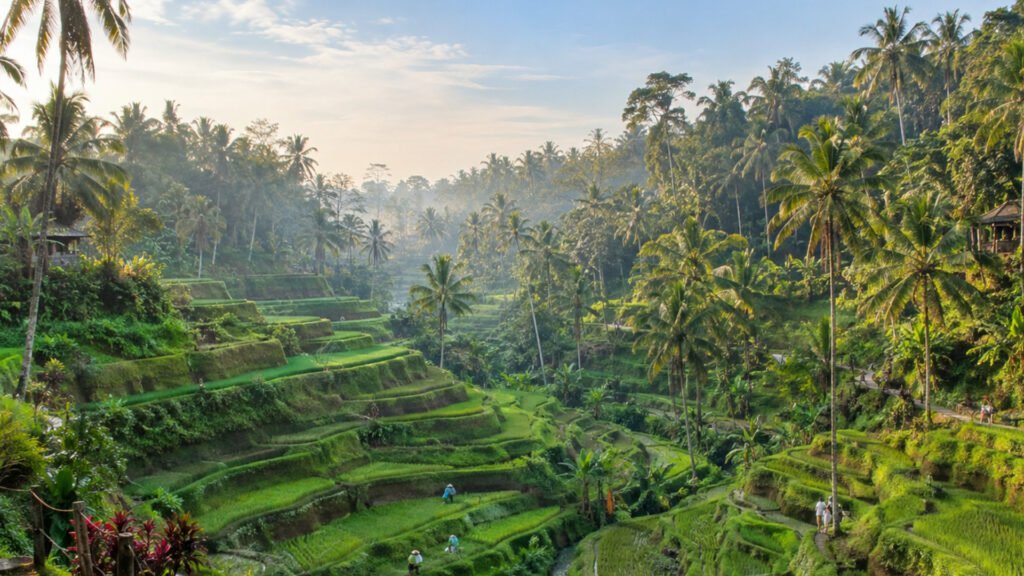
Places to visit in Bali range from dramatic sea temples and beautiful beaches to lush rice terraces, waterfalls, traditional villages, and volcanic landscapes. Whether you are visiting Bali for the first time or returning for another holiday, knowing which attractions to visit and how to plan your route can save you time and make your trip much more enjoyable. As a local Bali driver, I recommend combining famous landmarks with quieter places that let you experience a different side of the island..
This guide highlights the best places to visit in Bali while sharing practical local advice about travel times, road conditions, the best visiting hours, and how to avoid common tourist mistakes.
Whether you’re visiting Bali for three days or two weeks, these destinations deserve a place on your itinerary.
Many first-time visitors arrive expecting endless beaches, but Bali is actually a diverse island filled with mountains, volcanoes, waterfalls, temples, rice fields, art villages, and cultural experiences.
One hour of driving can completely change the scenery—from surfing on the southern coast to enjoying cool mountain air overlooking lakes in central Bali.
For the best experience, divide your holiday by region instead of trying to cross the island every day.
South Bali is ideal for first-time visitors thanks to its famous beaches, luxury resorts, and iconic sunset spots.
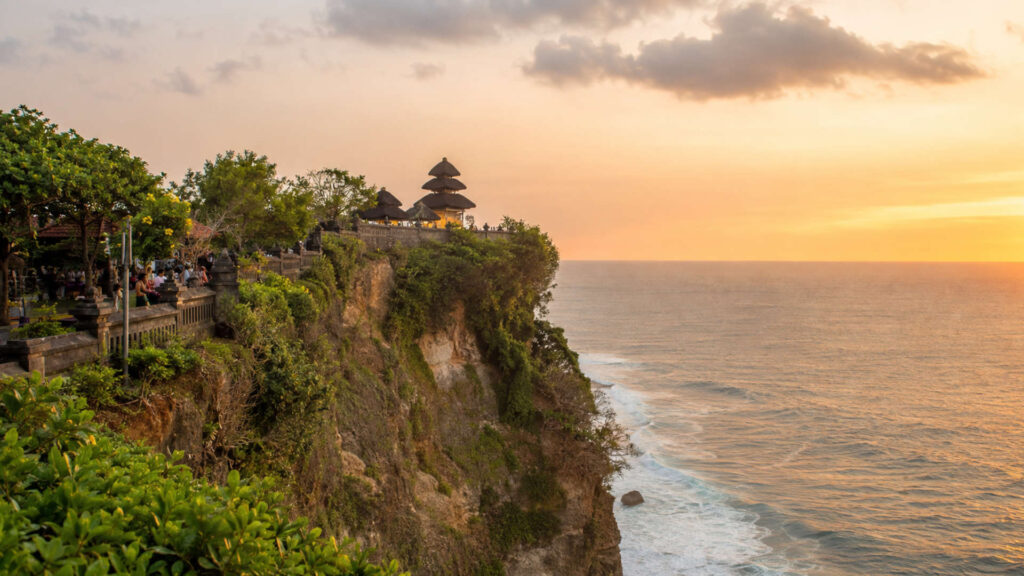
Perched dramatically on a limestone cliff around 70 meters above the Indian Ocean, Uluwatu Temple is one of Bali’s most spectacular sea temples.
Best Time
Late afternoon before sunset.
Opening Hours
Generally 7:00 AM–7:00 PM (verify before visiting).
Entrance Fee
Ticket prices occasionally change, so check the latest information before your visit.
Arrive before 4 PM to avoid traffic and enjoy enough time before the evening Kecak Fire Dance.
Temple etiquette:
Nearby:
Melasti Beach has become one of Bali’s most photogenic coastal destinations thanks to its dramatic limestone cliffs and crystal-clear water.
It is suitable for families because the beach is relatively accessible compared to many cliff beaches in southern Bali.
Photography is best during early morning or golden hour.
Known internationally after appearing in the movie Eat Pray Love, this compact white-sand beach is excellent for swimming during calm conditions.
Parking can become crowded during peak season.
Jimbaran combines a relaxed beach atmosphere with famous seafood restaurants where visitors can enjoy dinner directly on the sand while watching the sunset.
Reserve your table during holiday seasons.
Ubud remains one of the most rewarding places to visit in Bali for travelers interested in nature, culture, wellness, and traditional arts.
Perhaps Bali’s most photographed rice field.
Early morning offers:
Nearby cafés include several overlooking the valley, making it an excellent breakfast stop.
Home to hundreds of long-tailed macaques, this forest is both a nature reserve and an important spiritual site.
Visitor tips:
Walking paths are mostly shaded and suitable for most visitors.
Located only about 20 minutes from central Ubud, Tegenungan is one of Bali’s easiest waterfalls to access.
Morning visits provide:
During the rainy season, water levels become much stronger.
Perfect for travelers looking for a peaceful morning walk.
Visit before 8 AM to avoid the midday heat.
Nearby cafés include many healthy breakfast options in central Ubud.
East Bali offers quieter roads, spectacular landscapes, and a slower pace than southern Bali.
Home of the famous “Gate of Heaven.”
Many visitors are surprised that waiting times for photographs can exceed several hours during peak periods.
Driver recommendation:
Leave your hotel before sunrise if coming from South Bali.
This royal water garden features elegant ponds, fountains, and stepping stones surrounded by lush gardens.
Ideal for:
Nearby cafés overlook rice fields and mountains.
Often overlooked compared to Tirta Gangga, Taman Ujung combines Balinese and European architecture with scenic gardens.
It is much quieter during weekdays.
One of Bali’s most peaceful destinations.
Instead of nightlife, visitors enjoy:
Ideal for travelers seeking authentic Bali.
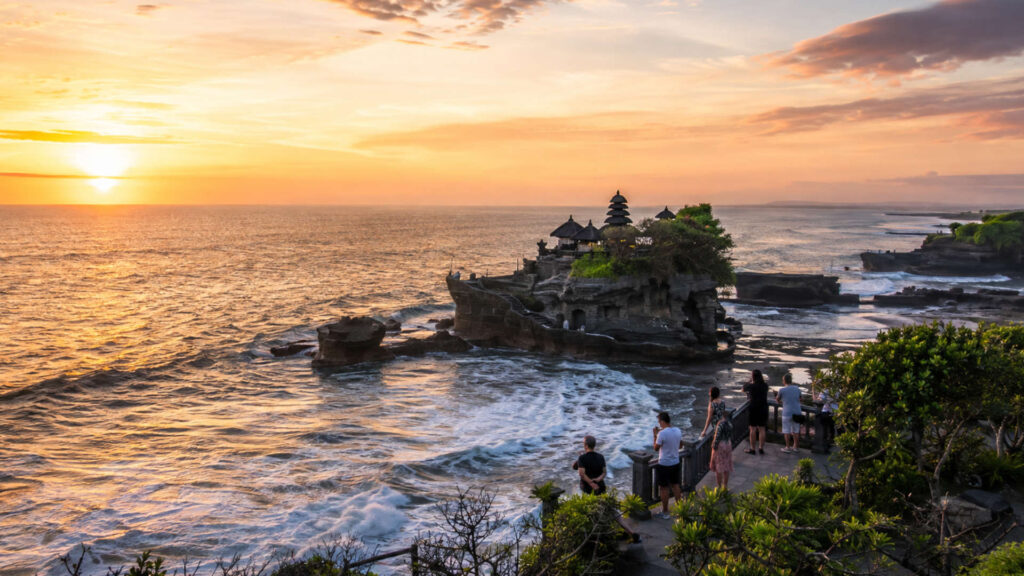
Northern Bali rewards visitors willing to drive a little farther.
Roads become more winding, especially after Bedugul.
Frequently considered Bali’s most beautiful waterfall.
Reaching the waterfall involves stairs and moderate trekking, making proper footwear essential.
Avoid visiting after heavy rain.
A beautiful natural swimming spot surrounded by lush forest.
Morning visits offer calmer conditions for photography.
Lovina is famous for traditional dolphin tours.
Choose operators that respect wildlife by maintaining a safe distance from the dolphins.
Sunrise departures are most common.
Far less visited than other parts of Bali, this protected area offers birdwatching, snorkeling, mangrove forests, and hiking opportunities.
Visitors planning nature activities should arrange guides in advance.
Besides Uluwatu and Lempuyang, don’t miss:
Always wear appropriate clothing and respect ceremonies if they are taking place.
If you’ve already visited Bali before, consider adding:
These places are generally less crowded than Bali’s famous attractions.
As someone who drives visitors around Bali almost every day, these practical tips can save you valuable holiday time:
Most attractions are quieter between 7:00 AM and 9:00 AM.
Driving from Uluwatu to North Bali can take more than four hours depending on traffic.
Instead, group attractions by region.
Between approximately November and March:
Popular attractions usually provide parking, but weekends and holidays fill quickly.
Many smaller attractions, parking areas, and local food stalls still prefer cash.
If you plan to visit several attractions in one day, a private driver is often the most comfortable option.
Benefits include:
It is particularly useful for families, senior travelers, and visitors staying outside Ubud.
There are countless places to visit in Bali, but the best holiday isn’t about checking off the longest list. Instead, focus on exploring one region each day, allow time to enjoy local food and culture, and travel at a relaxed pace.
From dramatic sea temples and lush rice terraces to hidden waterfalls and peaceful villages, Bali offers experiences for every type of traveler. Planning your routes carefully—and leaving room for spontaneous local discoveries—will make your trip far more enjoyable than rushing between attractions.
Uluwatu Temple, Tanah Lot, Tegalalang Rice Terrace, Ubud Monkey Forest, Tirta Empul, Tirta Gangga, and Melasti Beach are among the top choices for a first visit.
Five to seven days is enough to visit the main highlights, while ten to fourteen days allows you to explore different regions at a more relaxed pace.
The dry season, generally from April to October, offers sunny weather ideal for sightseeing and outdoor activities. July and August are especially busy, so book accommodation and transport early.
A scooter can suit experienced riders traveling short distances. For longer sightseeing days, families, or visitors unfamiliar with Bali’s roads, a private driver is often the safer and more comfortable choice.
Each region has its appeal. Ubud is known for rice terraces and culture, South Bali for beaches and sunsets, East Bali for temples and scenic landscapes, and North Bali for waterfalls and quieter surroundings.
Yes, many temples welcome families. Children should be supervised, wear appropriate clothing where required, and respect local customs during ceremonies.
Wear modest clothing that covers your shoulders and knees. Many temples provide sarongs and sashes for visitors at the entrance.
Yes. Many attractions remain open, but waterfall paths and trekking routes can become slippery. Check local weather conditions before traveling and allow extra driving time.
Group attractions by region—such as South, Central, East, or North Bali—to reduce travel time and make each day more enjoyable.
Not always. Ticket prices and opening hours may change, so it’s a good idea to verify the latest information with the official attraction or your local tour provider before visiting.

After sending email information to us, we will contact you as soon as possible via email sent directly





balidriverandtour12@gmail.com
+62 812 378 153 55

Bali Driver & Tour – 2024