Bali Private Driver

Le Mayeur Museum Bali

Le Mayeur Museum Bali:
A Guide to Art, History and Sanur

Le Mayeur Museum Bali offers a different perspective on the island, away from its famous temples, waterfalls, and rice terraces. Located in Sanur, this small museum preserves the home and artwork of Adrien-Jean Le Mayeur de Merprès, a Belgian painter who settled in Bali and became closely associated with its landscapes, traditions, and people.

For travelers interested in art, history, and traditional Balinese life, the museum provides an opportunity to explore a more personal side of the island. Rather than presenting Bali only through its natural scenery, the collection reveals how one foreign artist interpreted the island through paintings, colors, and everyday scenes.

Its location near Sanur Beach also makes the museum convenient to include in a relaxed day of sightseeing. You can visit in the morning, explore the surrounding coastal area, and enjoy lunch at a nearby café or restaurant without spending the entire day in a vehicle.

This guide explains what makes Le Mayeur Museum Bali worth visiting, its historical significance, how to get there, what to expect, and how to plan a comfortable visit.

What Is Le Mayeur Museum Bali?

Le Mayeur Museum is a small art museum dedicated to the life and work of Belgian painter Adrien-Jean Le Mayeur. It occupies the former residence associated with the artist and his wife, Ni Pollok, a Balinese woman who became an important presence in his artistic life.

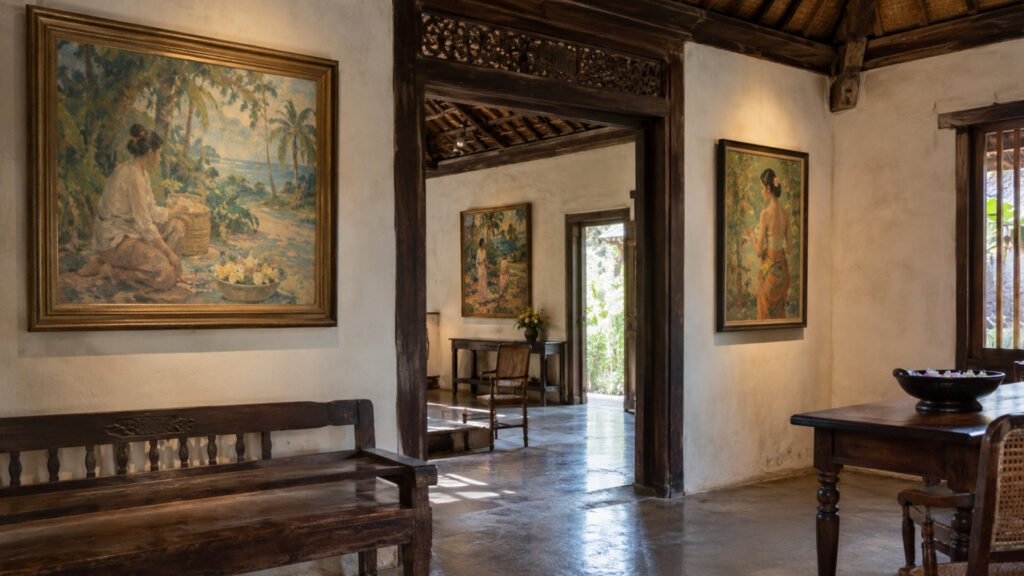
The museum’s appeal comes from the connection between the artwork and its surroundings. Visitors can explore paintings influenced by Bali’s tropical environment, traditional clothing, local customs, gardens, and coastal atmosphere.

Unlike a large modern gallery, the museum has a more intimate character. Its setting helps visitors understand that the paintings were created by an artist who lived in Bali rather than someone who simply visited for a short holiday.

The museum is particularly suitable for travelers who want to learn about Bali beyond the usual sightseeing highlights. It can also appeal to photography enthusiasts, cultural travelers, couples, and visitors looking for a quieter stop around Sanur.

The Story Behind Le Mayeur and His Life in Bali

From Belgium to the Island of Bali

Adrien-Jean Le Mayeur de Merprès was born in Brussels, Belgium, in 1880. He initially developed his artistic career in Europe before traveling through different parts of the world.

He arrived in Bali in 1932, during a period when the island was attracting artists, writers, and other international visitors. Bali’s distinctive visual culture, tropical light, traditional ceremonies, and village life became important sources of inspiration for him.

Sanur became the place where he established a home and developed a close relationship with the local environment. His paintings often focused on people, landscapes, and scenes that reflected his experience of living on the island.

His work should be understood as an individual artistic interpretation of Bali, shaped by his personal perspective and the period in which he lived. It is not a complete representation of Balinese society, but it provides an interesting historical record of how the island appeared through his eyes.

Ni Pollok and the Museum’s Personal History

Ni Pollok was a Balinese woman who became Le Mayeur’s wife and a recurring subject in his paintings. Her presence is central to the story of the artist and the home that eventually became a museum.

The relationship between the two also reflects the cultural encounters that took place in Bali during the early twentieth century. Le Mayeur’s paintings frequently featured Balinese women, traditional surroundings, and carefully composed domestic scenes.

For visitors, understanding Ni Pollok’s role makes the collection more meaningful. The museum is not simply a display of paintings by a European artist; it is also connected to a shared life shaped by Balinese culture and the artist’s experience of living in Sanur.

From Private Residence to Cultural Attraction

Le Mayeur’s former home was eventually preserved as a museum, allowing visitors to encounter his artwork in a setting associated with his personal life.

The combination of architecture, garden spaces, and paintings gives the museum a character different from that of a conventional exhibition hall. The building itself contributes to the experience, although the condition and accessibility of individual areas should be confirmed before visiting.

For travelers exploring Sanur, this connection between art, domestic architecture, and local history is one of the museum’s most distinctive features.

What Can You See Inside Le Mayeur Museum?

The available collection and access to individual rooms may vary. Follow current museum rules and staff guidance during your visit.

Paintings Inspired by Balinese Life

The main attraction is the collection of paintings associated with Le Mayeur. His subjects include Balinese women, traditional activities, tropical vegetation, and scenes influenced by life on the island.

Look closely at the use of color, the arrangement of figures, and the way the artist presents the surrounding landscape. These details can reveal how he interpreted Balinese beauty and everyday life.

Instead of rushing through the collection, spend time observing how different paintings use light and composition. Even visitors without a background in art can appreciate the connection between the works and Bali’s distinctive environment.

Traditional Architecture and the Former Home

The building adds historical context to the paintings. Traditional architectural details and the residential setting help distinguish the museum from a gallery housed in a contemporary commercial building.

Observe the relationship between indoor spaces and the garden, along with the decorative details that remain accessible to visitors. However, do not assume every room or part of the original residence is open to the public.

Garden and Tropical Surroundings

The garden and greenery contribute to the atmosphere of the property. Depending on maintenance and access, these surroundings can offer a pleasant place to pause after viewing the artwork.

The setting also provides a reminder of why Sanur appealed to Le Mayeur: the coastal environment, tropical plants, and distinctive quality of light offered subjects that differed from the European landscapes he had previously known.

Understanding the Artwork Through Context

One useful way to visit is to consider three things together: the paintings, the house, and the historical relationship between Le Mayeur and Bali.

This approach gives the collection greater meaning than simply walking through the rooms and taking photographs. It also encourages visitors to appreciate Balinese culture as a living tradition rather than only as an artistic subject.

Where Is Le Mayeur Museum in Bali?

The museum is located on Jalan Hang Tuah in Sanur Kaja, South Denpasar, close to Sanur’s beachfront area. Its coastal location makes it easy to combine with a beach walk or other attractions in the eastern part of Denpasar.

The museum is not in Ubud, despite Ubud being Bali’s best-known destination for art galleries and traditional crafts. If you are staying in Sanur, the museum can be a convenient cultural stop without requiring a long drive across the island.

How to Get to Le Mayeur Museum

You can reach the museum by private car, taxi, or motorbike, depending on your accommodation and travel preferences.

Approximate driving times under favorable traffic conditions are:

  • Sanur: Around 5–15 minutes from many central accommodation areas.

  • Denpasar city center: Around 20–35 minutes.

  • Kuta: Around 30–50 minutes.

  • Seminyak: Around 40–70 minutes.

  • Ubud: Around 45–75 minutes.

  • Ngurah Rai International Airport: Around 30–60 minutes.

These are planning estimates rather than guaranteed journey times. Traffic, roadworks, weather, and your exact starting point can change the duration considerably.

If you are visiting during the morning rush or around the late-afternoon commute, allow additional time. Roads near busy commercial areas and major junctions can become congested even when the distance looks short on a map.

Is a Private Driver Worth It?

A private driver can be useful if you want to combine Le Mayeur Museum with several stops around Sanur or Denpasar. You can travel at your own pace, avoid navigating unfamiliar roads, and keep your belongings in the vehicle while visiting attractions.

For visitors staying in Sanur, however, a private driver may not be necessary for the museum alone. A short taxi ride or another convenient local transport option may be sufficient.

If you are planning a wider sightseeing day, consider arranging a Bali private driver for a flexible route rather than making separate transport arrangements for every stop.

sanur morning view best option in family tour in bali
Things to Do in Bali With Family

Opening Hours and Entrance Fee

The museum’s visiting arrangements have changed over time, so it is worth checking the latest official information before setting out.

The Bali provincial tourism authority announced that Le Mayeur Museum reopened on 11 August 2025 following revitalization work. Its reopening announcement listed visiting hours from Monday to Thursday, 8:00 AM to 2:00 PM Central Indonesia Time (WITA).

Bali Government Tourism Office

Visitor information

What to know

Location

Jalan Hang Tuah, Sanur Kaja, Denpasar

Published reopening schedule

Monday–Thursday, 8:00 AM–2:00 PM WITA

Entrance fee

Confirm the current rate before visiting

Holidays and closures

Check ahead, especially on public holidays

Visit duration

Allow approximately 30–60 minutes as a planning estimate

Older tourism listings show different opening hours and ticket prices, so those figures should not automatically be treated as current.

Before leaving your hotel, confirm whether the museum is open on your intended date and whether its ticket counter accepts cash, digital payments, or both. If you are planning a full day around Sanur, checking first helps avoid an unnecessary journey.

Best Time to Visit Le Mayeur Museum

Morning Visits

Morning is generally a sensible choice because it gives you more time to explore Sanur afterward. If the museum is operating on its published morning schedule, arriving soon after opening may also help you enjoy the collection at a comfortable pace.

Try to avoid planning your visit close to closing time. Even a small museum deserves enough time to appreciate the paintings and architecture without rushing.

Visiting During Bali’s Rainy Season

Bali’s wetter months can bring sudden showers, humid conditions, and slippery outdoor surfaces. The museum’s indoor collection makes it a useful alternative when beach activities or longer outdoor excursions become less appealing.

Carry a small umbrella or lightweight rain jacket, and wear footwear that is easy to walk in. Check local weather conditions before traveling, especially if your visit involves several outdoor stops.

Photography Tips

Photography rules may differ between rooms and individual exhibits. Ask staff before taking pictures, and follow any signs restricting flash photography or photography altogether.

If photography is permitted, pay attention to the architectural details and the relationship between the house and garden. Avoid blocking other visitors while composing pictures, and never touch paintings or decorative objects to improve a photograph.

Dress Code and Visitor Etiquette

Le Mayeur Museum is an art and heritage attraction rather than a Hindu temple, so temple-specific ceremonial dress is not generally required simply to enter the museum.

Nevertheless, modest, comfortable clothing is appropriate for a cultural visit in Bali. Wear something suitable for walking through historic rooms and outdoor areas.

During your visit:

  • Follow staff instructions and any restrictions on entering rooms.

  • Do not touch paintings, frames, furniture, or other historical objects.

  • Keep your voice at a considerate level.

  • Supervise children around artwork and fragile architectural features.

  • Ask permission before photographing staff or other visitors.

  • Dispose of rubbish responsibly and respect the museum grounds.

If you combine the museum with a nearby temple, bring a sarong or check the dress requirements for that separate destination.

Nearby Attractions to Combine With the Museum

Le Mayeur Museum works particularly well as part of a relaxed Sanur itinerary. The following attractions offer different experiences without requiring a trip to another major region of Bali.

Sanur Beach and the Coastal Walk

Best for: beach walks, sunrise scenery, and a relaxed atmosphere.

Sanur’s coastline is a natural companion to a museum visit. You can enjoy the beach, observe local fishing boats, or walk along the paved beachfront paths where accessible.

Early morning is particularly appealing for cooler temperatures and sunrise views. If the tide, wind, or weather is unfavorable, choose a shorter walk and spend more time enjoying a café nearby.

Bali Orchid Garden

Best for: tropical plants and garden enthusiasts.

Bali Orchid Garden, in the Denpasar area, offers a different perspective on the island’s tropical environment. It can suit travelers interested in plants and landscaped gardens, although travel time and opening arrangements should be checked before adding it to your route.

Bajra Sandhi Monument

Best for: Balinese history and cultural heritage.

Bajra Sandhi Monument in Renon commemorates the struggles and history of the Balinese people. It provides a useful contrast to Le Mayeur Museum: one focuses on an artist’s personal interpretation of Bali, while the other presents broader historical themes.

Bali Museum

Best for: traditional objects, cultural history, and heritage.

Located in central Denpasar, Bali Museum is another option for visitors who want to understand the island’s history and cultural traditions. Consider it if you have enough time for a longer cultural itinerary and confirm its current visiting schedule independently.

Where to Eat After Your Visit

Sanur has a broad selection of cafés, local food stalls, and restaurants. For convenience, look around the beachfront and main Sanur dining streets rather than traveling elsewhere just for a meal.

You can choose traditional Balinese food, Indonesian rice dishes, seafood, or international café menus according to your preference. If you have dietary restrictions, ask about ingredients and preparation methods instead of assuming a dish is suitable.

I recommend allowing time for lunch after the museum rather than squeezing several distant attractions into a short morning.

Suggested Full-Day Sanur Itinerary

This simple itinerary is suitable for visitors who prefer a relaxed cultural outing.

  1. 8:00–9:00 AM — Le Mayeur Museum

    Visit during the published morning opening period, subject to confirmation of the schedule on your travel date. Spend time with the paintings and historic setting.

  2. 9:00–10:30 AM — Sanur Beach

    Walk along the coast, enjoy the sea breeze, or find a shaded place to relax. Adjust the walking distance to the weather and your energy level.

  3. 10:30–11:30 AM — Coffee or an early lunch

    Choose a café or restaurant in Sanur and take a break before continuing your day.

  4. Optional afternoon — Bajra Sandhi Monument

    If the monument is open and you want more cultural sightseeing, continue toward Renon. Check travel time and opening arrangements before departing.

This route keeps the morning focused on Sanur and leaves you flexibility if the weather changes or you decide to spend longer at one stop.

Is Le Mayeur Museum Suitable for Families and Older Travelers?

The museum can be an enjoyable cultural stop for families with school-age children, art enthusiasts, and older visitors who prefer sightseeing at a slower pace.

For children, focus on the paintings’ colors, subjects, and the story of the artist’s life in Bali. Younger visitors may appreciate a short visit more than a detailed exploration of every artwork.

Older travelers should check accessibility before arriving. Historic buildings can have uneven floors, steps, or other features that make movement more difficult. Do not assume wheelchair access or accessible toilets are available throughout the property.

If you are visiting with young children or an older family member, avoid combining too many attractions in one morning. A museum visit followed by a comfortable lunch and a short beach walk is often a more enjoyable plan than a packed sightseeing schedule.

Common Mistakes to Avoid

A few small preparations can make your visit more worthwhile.

  • Assuming the museum is always open: Confirm the current schedule before traveling, especially during holidays.

  • Expecting a large modern gallery: The museum is a historic residence and memorial collection, so its appeal is more intimate than that of a major contemporary art museum.

  • Visiting without learning the background: Understanding Le Mayeur’s relationship with Ni Pollok adds important context to the paintings.

  • Rushing through the collection: Give yourself enough time to observe the artworks and architectural details.

  • Planning too many distant stops: Sanur and nearby Denpasar attractions are easier to combine than destinations on opposite sides of the island.

  • Ignoring photography restrictions: Always follow the museum’s current rules.

  • Relying on old ticket information: Confirm admission prices and payment options before your visit.

Final Thoughts

Le Mayeur Museum Bali is worth considering if you want to discover a quieter, more personal side of the island’s cultural history. Its paintings, historic home, and connection with Ni Pollok offer a different experience from Bali’s better-known temples and natural attractions.

The museum is particularly convenient for travelers staying in Sanur or exploring Denpasar. Combine it with a coastal walk, a local meal, or another nearby cultural attraction, and you can create a rewarding half-day outing without spending hours on the road.

For visitors who want to understand more than Bali’s scenery, this small museum provides a meaningful glimpse into the artistic encounters that helped shape the island’s international reputation.


Frequently Asked Questions About Le Mayeur Museum Bali

1. What is Le Mayeur Museum Bali famous for?

Le Mayeur Museum is known for preserving the paintings and former residence of Belgian artist Adrien-Jean Le Mayeur de Merprès. His works are closely associated with Balinese landscapes, daily life, and Ni Pollok, his Balinese wife and artistic muse.

2. Where is Le Mayeur Museum located?

The museum is on Jalan Hang Tuah in Sanur Kaja, South Denpasar, Bali. Its location near Sanur’s beachfront makes it convenient to combine with a coastal walk and other local attractions.

3. What are Le Mayeur Museum’s opening hours?

The Bali provincial tourism authority announced reopening hours of Monday through Thursday, 8:00 AM to 2:00 PM WITA, following its reopening in August 2025. Check the latest official information before visiting because schedules can change.

4. How much is the entrance fee for Le Mayeur Museum?

The current entrance fee should be confirmed directly before your visit. Older published listings show different prices, so historical ticket information may no longer be accurate.

5. How long should I spend at Le Mayeur Museum?

Allow approximately 30–60 minutes as a starting estimate. Art enthusiasts may want more time to explore the collection and historic setting, while visitors with limited time can make it a short cultural stop.

6. Is Le Mayeur Museum worth visiting?

Yes, particularly if you enjoy art, local history, and traditional architecture. It is a good option for travelers who want to learn about Bali’s artistic heritage beyond the island’s beaches and temples.

7. Can I visit Le Mayeur Museum with children?

Yes, the museum can provide an introduction to art and Balinese cultural history for school-age children. Supervise younger visitors carefully and follow restrictions concerning paintings and historic objects.

8. Can I take photographs inside Le Mayeur Museum?

Photography permissions may depend on current museum rules and the specific exhibit. Ask staff before taking pictures and avoid using flash or photographing restricted objects where prohibited.

9. What attractions can I visit near Le Mayeur Museum?

Sanur Beach is a natural nearby stop. You can also consider Bajra Sandhi Monument, Bali Museum, and Bali Orchid Garden, depending on their opening hours and your available travel time.

10. Is Le Mayeur Museum easy to reach with a private driver?

Yes. A private driver can include the museum in a Sanur or Denpasar sightseeing itinerary and combine it with nearby attractions. If you are staying close to the museum and only want to visit that one destination, a taxi or other local transport option may be more practical.