- We are open every : MON - SUN : 6:00AM - 7:00 PM
- balidriverandtour12@gmail.com
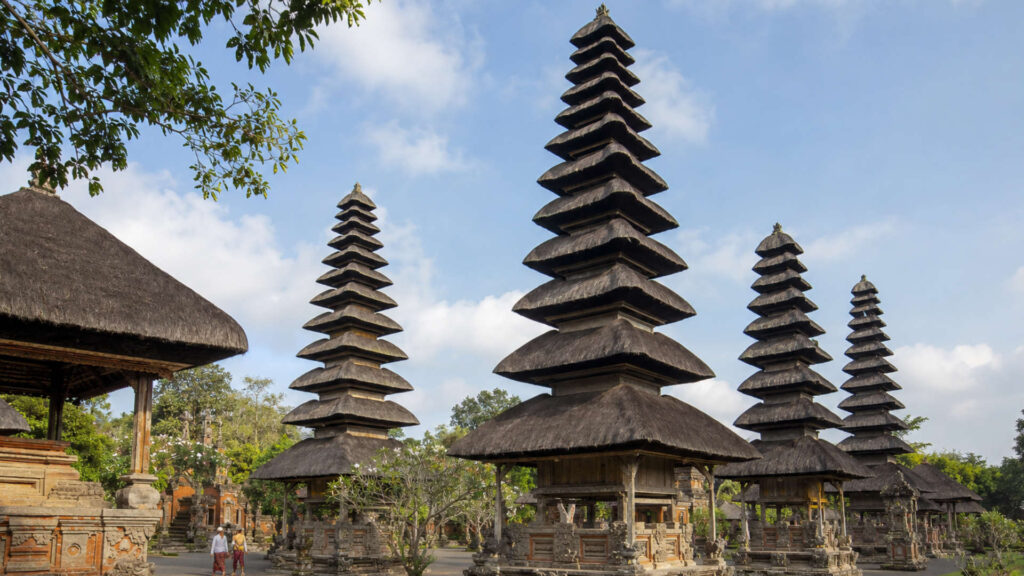
Taman Ayun Temple is one of Bali’s most beautiful royal temples, known for its elegant pagoda towers, peaceful lotus ponds, and expansive gardens. Unlike many temples built on dramatic cliffs or lakeshores, Taman Ayun stands out for its harmonious landscape design, reflecting traditional Balinese philosophy where nature, religion, and architecture exist in perfect balance.
Located in Mengwi, Badung Regency, the temple is often included in West Bali and Central Bali day trips, making it an excellent stop before visiting Jatiluwih Rice Terraces, Tanah Lot Temple, or Ulun Danu Beratan Temple.
If you’re looking for a temple that combines rich history with a relaxing atmosphere and fewer crowds than Bali‘s more famous landmarks, Taman Ayun Temple deserves a place on your itinerary.
Many travelers compare Bali’s temples based on dramatic scenery, but Taman Ayun offers something different.
It was built as the royal temple of the Mengwi Kingdom in the 17th century and remains an important place of worship today. Rather than being perched on a cliff or mountain, the temple is surrounded by a wide moat, giving the impression that it floats above the water.
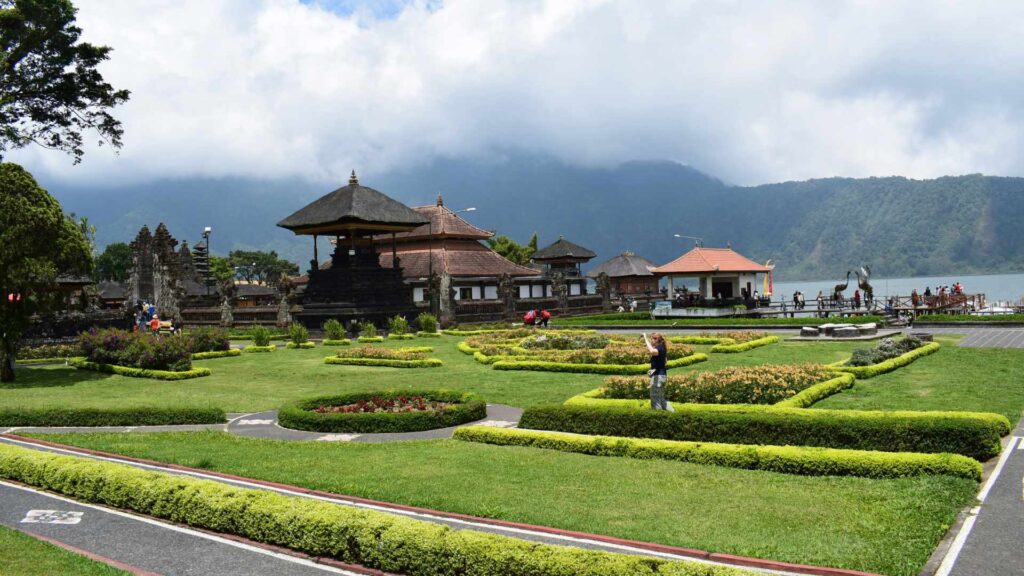
The beautifully landscaped gardens, peaceful walking paths, and impressive multi-tiered shrines create a calm atmosphere that feels distinctly different from busier temples around the island.
In 2012, Taman Ayun became part of the UNESCO World Heritage listing under Bali’s Subak Cultural Landscape, recognizing the close relationship between Balinese irrigation systems, religion, and traditional agriculture.
Taman Ayun Temple is located in Mengwi, approximately:
Because of its central location, it fits easily into several popular Bali day tour routes.
Taman Ayun Temple was established in 1634 by I Gusti Agung Putu, the ruler of the Mengwi Kingdom.
The name “Taman Ayun” translates roughly to “Beautiful Garden,” perfectly describing the temple complex. It served as the family’s royal temple where important ceremonies and religious rituals were conducted.
Over the centuries, the temple has undergone several restorations, helping preserve its traditional Balinese architecture while maintaining its spiritual significance.
Today, it remains one of Bali’s six royal temples and continues to host important Hindu ceremonies throughout the year.
One of the highlights of Taman Ayun is its thoughtful design.
The complex follows the traditional Balinese concept of sacred spaces arranged in layers, with increasing levels of holiness toward the center.
Visitors can admire:
A wide water canal circles the temple, symbolizing protection and spiritual purification.
The entrance welcomes visitors with a beautifully carved Balinese gateway decorated with mythological figures.
The iconic black-roofed pagodas represent sacred mountains and are dedicated to various Hindu deities and ancestors.
Some towers reach eleven tiers, making them among the tallest traditional shrines in Bali.
Large lawns, tropical trees, flowering plants, and shaded pathways make the temple grounds pleasant for a leisurely walk.
Ticket prices occasionally change.
As a general guide:
It’s always a good idea to verify the latest prices before visiting.
Generally open daily:
08:00 AM – 06:00 PM
Opening hours may change during major religious ceremonies or special events.
Taman Ayun Temple is enjoyable throughout the year, but certain times provide a better experience.
8:00–10:00 AM offers:
Around 4:00 PM provides:
Midday can become quite hot, especially during the dry season.
Although visitors explore mainly the outer temple grounds, respectful clothing is still expected.
Recommended attire includes:
Always remember:
Taman Ayun is one of Bali’s most photogenic temples.
Great photography spots include:
Morning light usually produces softer shadows and more vibrant colors.
After driving visitors to Taman Ayun for many years, a few simple tips can make your visit smoother.
If you’re staying in Seminyak or Canggu, departing before 8:00 AM helps avoid commuter traffic.
Rather than making a dedicated trip, combine Taman Ayun with nearby destinations such as:
This creates a more rewarding full-day itinerary.
Parking is generally spacious and suitable for private cars, minibuses, and tour vehicles.
Carry a light rain jacket between November and March. Garden pathways may become slippery after rain.
A peaceful forest temple inhabited by long-tailed macaques.
Travel time:
Approximately 10 minutes.
Known for towering nutmeg trees and fewer crowds than Ubud’s Monkey Forest.
Travel time:
Around 20 minutes.
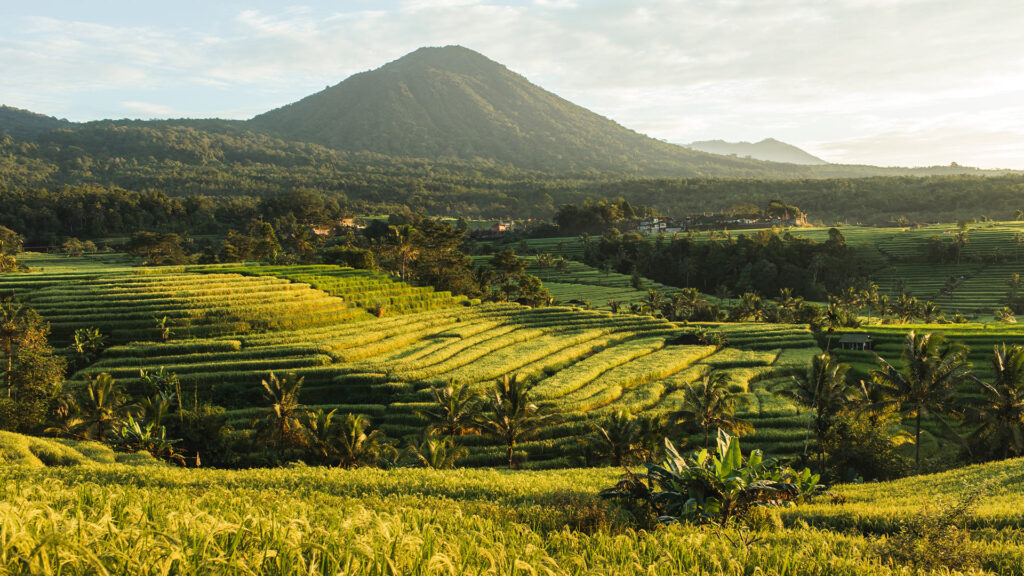
UNESCO-listed rice terraces showcasing Bali’s famous Subak irrigation system.
Travel time:
Approximately 40 minutes.
One of Bali’s most iconic sea temples, especially beautiful at sunset.
Travel time:
30–40 minutes depending on traffic.
A picturesque lakeside temple often combined with Taman Ayun on longer day tours.
Travel time:
About 1 hour.
A well-balanced route could include:
This itinerary offers history, culture, landscapes, and photography opportunities in one day.
Several local restaurants and cafés are located within a short drive of the temple.
Popular choices include:
For wider dining options, head toward Mengwi or continue to Canggu after your visit.
Yes.
The temple’s spacious gardens and flat walking paths make it comfortable for:
Parents should still supervise young children around the surrounding moat.
Taman Ayun Temple is most enjoyable when combined with other attractions instead of visiting it on its own.
Hiring a private driver allows you to:
Many visitors combine Taman Ayun with rice terraces, waterfalls, monkey forests, or sunset temples for a full-day cultural experience.
Taman Ayun Temple offers a quieter and more reflective side of Bali’s cultural heritage. Its royal history, elegant architecture, and beautifully maintained gardens create an experience that differs from the island’s more dramatic cliffside and seaside temples.
Whether you’re interested in Balinese history, photography, architecture, or simply enjoying a peaceful morning surrounded by nature, Taman Ayun is well worth adding to your Bali itinerary. For the most enjoyable visit, arrive early, dress respectfully, and consider pairing it with nearby cultural and natural attractions for a memorable day exploring central Bali.
Taman Ayun Temple is located in Mengwi, Badung Regency, about 30–60 minutes from most popular tourist areas in South Bali.
The entrance fee is generally around IDR 30,000–50,000 for adults, but prices may change, so it’s best to verify before your visit.
The temple is typically open daily from 8:00 AM to 6:00 PM.
Most visitors explore the outer areas, while the innermost sacred sections are generally reserved for worshippers during religious ceremonies.
It is part of the UNESCO-listed Cultural Landscape of Bali Province through the Subak irrigation system.
Most visitors spend between 45 minutes and 1.5 hours exploring the temple and gardens.
Wear modest clothing that covers your shoulders and knees, especially if ceremonies are taking place.
Yes. The temple’s wide gardens and easy walking paths make it suitable for families with children.
Popular nearby attractions include Tanah Lot Temple, Jatiluwih Rice Terraces, Alas Kedaton Monkey Forest, Sangeh Monkey Forest, and Ulun Danu Beratan Temple.
Yes. A private driver makes it easy to combine Taman Ayun Temple with other nearby attractions while avoiding navigation and parking concerns, creating a more relaxed and flexible day trip.

After sending email information to us, we will contact you as soon as possible via email sent directly





balidriverandtour12@gmail.com
+62 812 378 153 55

Bali Driver & Tour – 2024