- We are open every : MON - SUN : 6:00AM - 7:00 PM
- balidriverandtour12@gmail.com
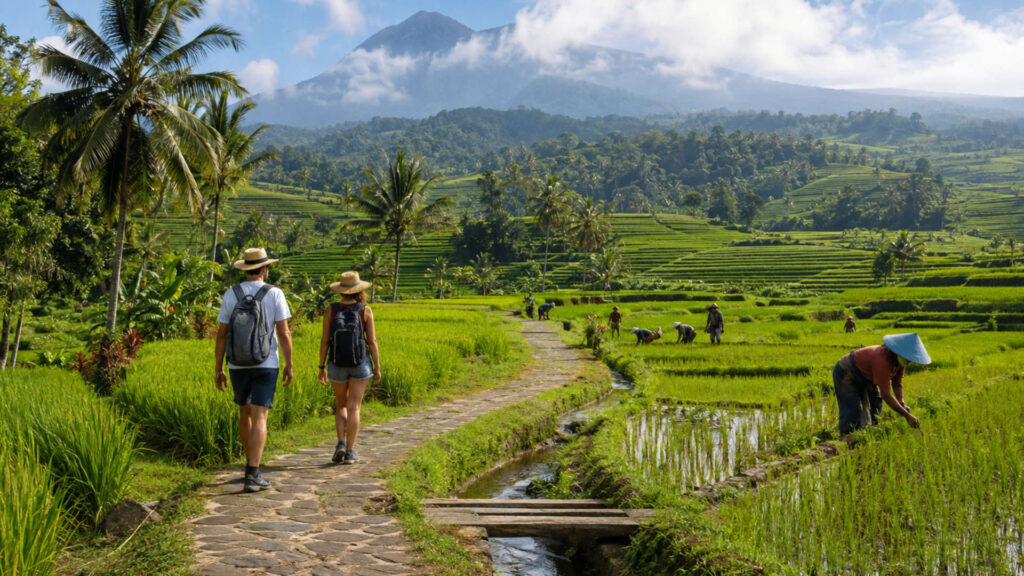
A Jatiluwih Rice Terrace Tour is one of the best ways to experience Bali‘s peaceful countryside, UNESCO-recognized rice fields, and traditional farming culture. While many visitors focus only on the famous rice terraces in Ubud, Jatiluwih offers something completely different—vast panoramic landscapes, cooler mountain air, fewer crowds, and an authentic glimpse into Bali’s centuries-old irrigation system known as Subak.
As someone who has driven travelers around Bali for years, I often recommend Jatiluwih to guests who want to escape busy tourist areas and experience the island’s natural beauty at a slower pace. Unlike many attractions where visitors spend only 30 minutes, Jatiluwih is a place where people often stay for several hours walking, relaxing, enjoying local food, and taking in the scenery.
Whether you’re planning a private day trip, a photography adventure, or simply looking for a peaceful drive through Bali’s highlands, this guide will help you plan the perfect visit.
Jatiluwih, located in Tabanan Regency, is recognized as part of the UNESCO World Heritage Cultural Landscape of Bali because of its traditional Subak irrigation system, which has been used by Balinese farmers for centuries.
Unlike smaller rice terraces, Jatiluwih covers more than 600 hectares of rolling green landscapes stretching across the foothills of Mount Batukaru.
Visitors come here for:
The name “Jatiluwih” itself means “truly beautiful,” and the scenery lives up to that reputation.
Jatiluwih is located in Penebel District, Tabanan Regency, in central-west Bali.
Approximate driving times:
| Departure Area | Driving Time |
|---|---|
| Ubud | 1.5 hours |
| Canggu | 2 hours |
| Seminyak | 2–2.5 hours |
| Kuta | 2.5 hours |
| Sanur | 2 hours |
| Nusa Dua | 3 hours |
| Uluwatu | 3.5 hours |
| Bali Airport | 2.5–3 hours |
Travel times may increase during holidays and weekends.
Many visitors compare Jatiluwih with Tegalalang Rice Terrace near Ubud, but they offer very different experiences.
Jatiluwih is ideal if you prefer:
Instead of cafés and swings dominating the landscape, Jatiluwih feels like a living agricultural community where local farmers continue traditional rice cultivation.
The scenery changes throughout the year depending on the rice-growing cycle.
Generally:
Best for:
Perfect for:
Avoid arriving around midday if possible, especially during the dry season, as the sun can become quite strong.
Entrance fees may change periodically.
Visitors should check the latest official rates before traveling.
Parking fees may also apply for cars and motorcycles.
The rice terraces are generally accessible during daylight hours.
Most visitors arrive between:
8:00 AM – 5:00 PM
Nearby cafés and restaurants may operate longer.
One of the highlights of the tour is exploring the rice fields on foot.
Several marked walking routes are available, ranging from short scenic walks to longer countryside trails.
Popular options include:
Wear comfortable shoes, as some paths can become slippery after rain.
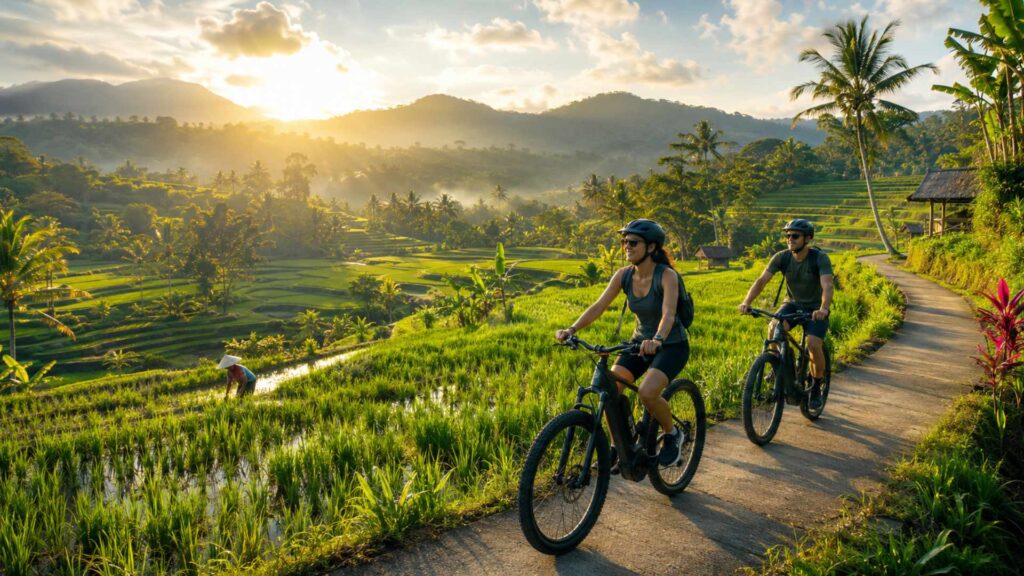

After driving visitors here many times, these are the tips I often share:
Depart before 8:00 AM if you’re staying in southern Bali to avoid traffic.
Jatiluwih is best enjoyed as part of a full-day countryside tour rather than as a standalone destination.
Even though temperatures are cooler than southern Bali, UV exposure remains high.
Some small food stalls and local vendors may not accept cards.
Walking through the rice fields can take longer than expected.
The roads leading to Jatiluwih are generally well paved.
Expect:
Private cars are more comfortable than scooters for longer journeys, especially if you’re traveling with children or older family members.
Parking is available near the main entrance.
During weekends and Indonesian public holidays, parking areas can become busy, so arriving earlier is recommended.
Jatiluwih offers incredible landscape photography opportunities.
Best photo locations include:
For the best results:
Drone regulations may change, so always check local rules before flying.
Jatiluwih remains beautiful during Bali’s rainy season.
However:
The rainy season often creates lush green landscapes that many photographers actually prefer.
Remember that Jatiluwih is not just a tourist attraction.
It is an active farming community.
Please:
Simple courtesy helps preserve this unique cultural landscape.
Families with children usually enjoy:
Strollers work on some paved sections but not throughout the entire walking network.
Jatiluwih is suitable for senior visitors who prefer scenic drives and gentle walks.
Choose shorter walking routes and wear supportive footwear.
Several cafés overlooking the terraces allow visitors to enjoy the scenery without extensive walking.
After exploring the terraces, many visitors stop at local restaurants serving Balinese and Indonesian cuisine with panoramic views.
Popular menu items include:
Many restaurants feature outdoor terraces overlooking the rice fields.
A full-day tour often includes several attractions in central Bali.
Popular combinations include:
One of Bali’s most photographed lakeside temples.
A peaceful mountain temple surrounded by rainforest.
A hidden waterfall reached by a short walk.
Relaxing natural hot springs after exploring the rice terraces.
Ideal for families and nature lovers.
8:00 AM – Hotel pickup
10:00 AM – Arrive at Jatiluwih
10:15 AM – Scenic walk
12:00 PM – Lunch overlooking the rice terraces
1:30 PM – Visit Batukaru Temple
3:00 PM – Coffee break
4:30 PM – Scenic countryside drive
6:30 PM – Return to hotel
This itinerary allows enough time to enjoy the landscape without feeling rushed.
Because Jatiluwih is located in Bali’s highlands, many travelers choose a Private Driver Bali service instead of riding a scooter or joining a large group tour.
Benefits include:
If you’re planning to explore central Bali beyond Jatiluwih, hiring a private driver often provides the most relaxing and efficient experience.
A Jatiluwih Rice Terrace Tour offers a completely different side of Bali—one defined by expansive landscapes, living traditions, and a slower pace of life. Rather than rushing from one photo stop to another, take time to walk the trails, watch local farmers at work, enjoy lunch with panoramic views, and appreciate why this cultural landscape earned UNESCO recognition.
For travelers seeking authentic countryside scenery, peaceful drives, and meaningful cultural experiences, Jatiluwih remains one of Bali’s most rewarding destinations.
Yes. Jatiluwih offers expansive UNESCO-listed rice terraces, peaceful walking trails, and a more authentic countryside experience than many busier attractions.
Most visitors spend between 2 and 4 hours, depending on whether they plan to walk the trails, have lunch, or combine nearby attractions.
Early morning (8:00–10:00 AM) is ideal for cooler weather, softer light, and fewer crowds.
Yes, but trails may be slippery. Wear appropriate footwear and bring a light rain jacket.
Yes. Families can enjoy shorter walking paths, open spaces, and educational opportunities about traditional rice farming.
Yes. Several local restaurants and cafés offer Balinese and Indonesian dishes with panoramic rice terrace views.
Absolutely. Popular combinations include Ulun Danu Beratan Temple, Batukaru Temple, Angseri Hot Spring, and Bali Botanical Garden.
A guide is not required, but hiring a local guide can provide deeper insights into the Subak irrigation system and Balinese farming traditions.
Yes. Parking is available near the main entrance, although it can become busy during weekends and public holidays.
For most travelers, yes. A private driver provides a comfortable way to reach the highlands, allows flexible stops at nearby attractions, and removes the stress of navigating unfamiliar mountain roads.

After sending email information to us, we will contact you as soon as possible via email sent directly





balidriverandtour12@gmail.com
+62 812 378 153 55

Bali Driver & Tour – 2024