- We are open every : MON - SUN : 6:00AM - 7:00 PM
- balidriverandtour12@gmail.com

Balinese Gamelan and Music are not just sounds that fill the air — they are the heartbeat of Bali itself. Across temples, rice fields, and village halls, the deep rhythms and shimmering tones of gamelan express the island’s spirituality, emotions, and communal harmony.
For centuries, music in Bali has been intertwined with rituals, storytelling, and identity. Every strike of a gong or metallophone connects people to their ancestors, gods, and each other, creating a living expression of balance and devotion.
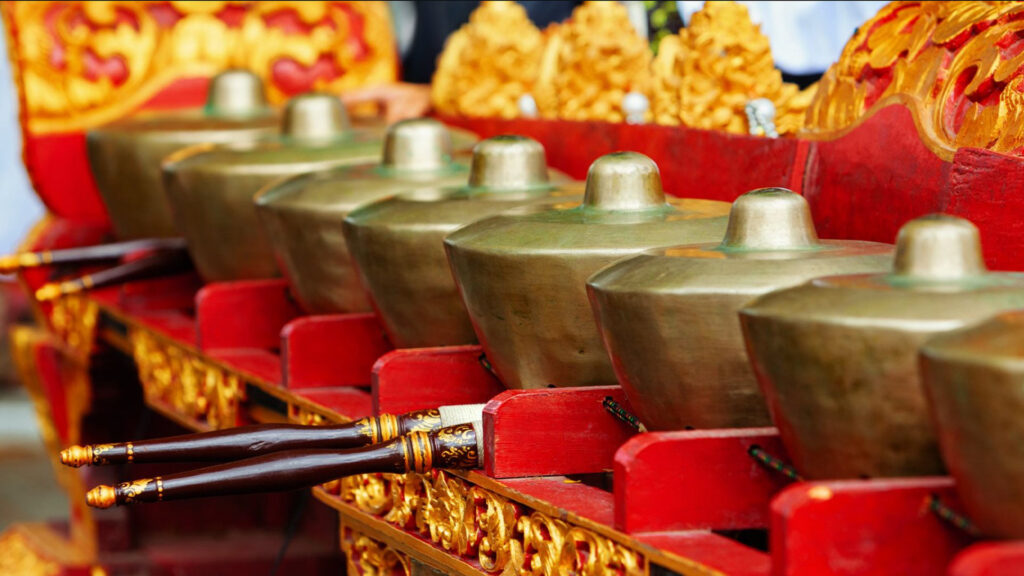
At the core of Balinese cultural identity lies the gamelan orchestra — a mesmerizing ensemble of gongs, drums, flutes, and metallophones crafted from bronze and bamboo. Each village in Bali has its own gamelan group, and no two sound the same.
The instruments are considered sacred, often blessed by priests before being played in ceremonies. The shimmering resonance of gamelan represents cosmic order and spiritual unity, echoing Bali’s philosophy of harmony between humans, nature, and the divine.
The melodies follow cyclical patterns, symbolizing the never-ending rhythm of life and reincarnation. This cyclical motion teaches listeners about patience, balance, and togetherness — values deeply rooted in Balinese tradition.
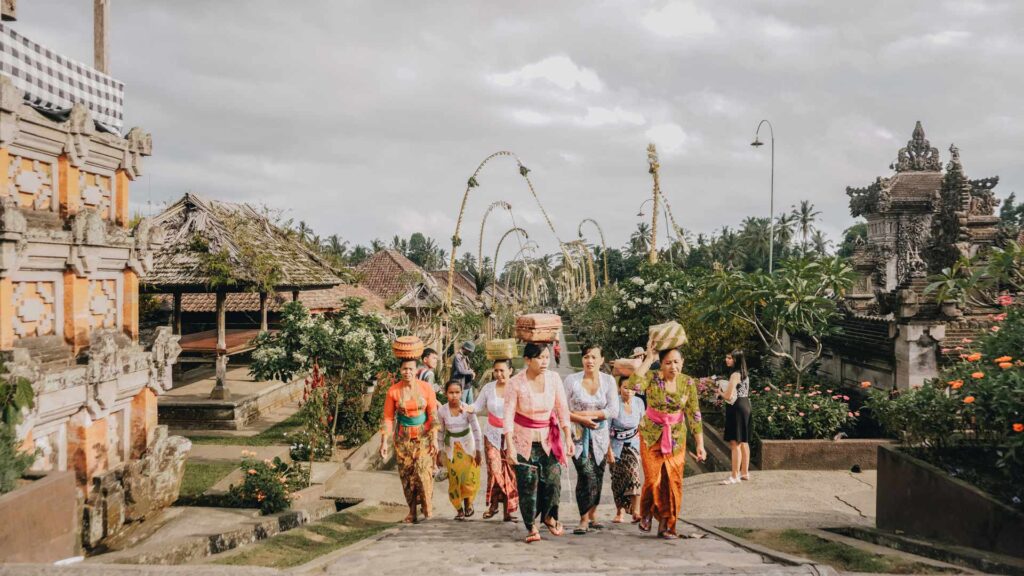
Music in Bali is inseparable from religion. During temple festivals (odalan), cremations (ngaben), and weddings, Balinese gamelan and music serve as a bridge between the visible and invisible worlds.
Each ceremony begins with musical offerings to invite gods and ancestral spirits to descend and bless the event. The sound of gongs and cymbals purifies the surroundings and sets a spiritual atmosphere that unites participants in collective devotion.
In grand ceremonies, you might hear Gamelan Gong Kebyar, known for its dynamic energy, or Gamelan Angklung, played during processions to honor deities. Even the act of tuning the instruments is treated as a ritual of respect and gratitude.
For Balinese people, playing gamelan is a form of prayer — a meditation in motion that embodies humility and surrender to higher power.
The rhythms of Balinese traditional music reflect the duality of life, known locally as Rwa Bhineda, meaning the balance of opposites: joy and sorrow, calm and chaos, life and death.
Each gamelan piece begins gently, builds to an intense climax, and then returns to stillness mirroring human existence and the natural cycle of the universe.
The collaborative nature of gamelan also represents social harmony. No instrument dominates the others; every player listens and responds in perfect coordination. This unity symbolizes the Balinese principle of gotong royong working together for the good of all.
Without gamelan, traditional Balinese dance would lose its soul. The music gives rhythm, mood, and energy to performances like Legong, Barong, Kecak, and Wayang Kulit.
In the Legong dance, delicate melodies guide the graceful movements of dancers who portray stories from ancient myths. In contrast, the Barong dance features powerful percussion to dramatize the eternal battle between good and evil.
The coordination between musicians and dancers is a work of art — a silent communication built through years of practice. Every pause, tempo change, or crescendo must be in perfect sync, reflecting a shared understanding that words cannot express.
Watching a live performance of Balinese gamelan and music is not just entertainment; it’s a spiritual experience that awakens your senses and connects you to the island’s ancient wisdom.
Though rooted in tradition, Balinese Gamelan and Music have evolved and spread far beyond the island.
Many universities in the United States, Europe, and Japan have their own gamelan orchestras, where students learn not just the music but also the philosophy behind it. International artists have collaborated with Balinese masters, blending gamelan with jazz, classical, and electronic music.
In Bali itself, local musicians embrace innovation while preserving authenticity. Groups like Gamelan Sekar Jaya and Cudamani continue to perform worldwide, showcasing Bali’s living cultural heritage.
This global recognition ensures that gamelan remains both timeless and relevant — a testament to Bali’s enduring creativity and spiritual depth.
If you’re visiting Bali, witnessing a live gamelan performance is an absolute must. Some of the best places include:
Ubud Palace (Puri Saren Agung): Nightly dance and gamelan shows that capture the island’s grace.
Taman Ayun Temple, Mengwi: Often hosts ceremonies where gamelan fills the air with sacred resonance.
Banjar Community Halls: Locals rehearse weekly — you can visit, listen, and even try playing the instruments.
Gianyar Cultural Center: Home to some of Bali’s most talented young musicians.
Attending these performances allows you to experience not just the sound, but also the soul of Balinese culture.
At Bali Driver and Tour, we believe that understanding Bali means hearing its music.
Join our Cultural Day Tours to experience authentic Balinese Gamelan and Music performances in temples, villages, and art centers. Meet local musicians, learn about the instruments, and feel the deep spiritual rhythm that defines Balinese life.
Book your cultural adventure today at balidriverandtour.com — let us take you beyond sightseeing, into the heart of Bali’s living traditions.

After sending email information to us, we will contact you as soon as possible via email sent directly





balidriverandtour12@gmail.com
+62 812 378 153 55

Bali Driver & Tour – 2024