Embracing the Beauty of Visiting Bali in the Rainy Season
Many travelers think rain means canceled plans but visiting Bali in the rainy season can actually reveal the island’s most authentic beauty. The tropical showers bring cooler air, greener rice terraces, and fewer crowds. If you plan wisely, you’ll experience a calmer and more vibrant side of Bali.
When the Rainy Season Happens in Bali
Bali’s rainy season typically lasts from November to March. Rain usually comes in short, heavy bursts often in the late afternoon leaving mornings fresh and clear. Even during this period, sunny days are common, so your outdoor plans can still run smoothly.
Why Visiting Bali in the Rainy Season Is Worth It
1. Lower Prices & Special Deals
The rainy season is considered the low season in Bali. Hotels, villas, and tour services often offer attractive discounts. You can enjoy luxury stays or private tours at a fraction of the high-season cost.
2. Fewer Tourists, More Serenity
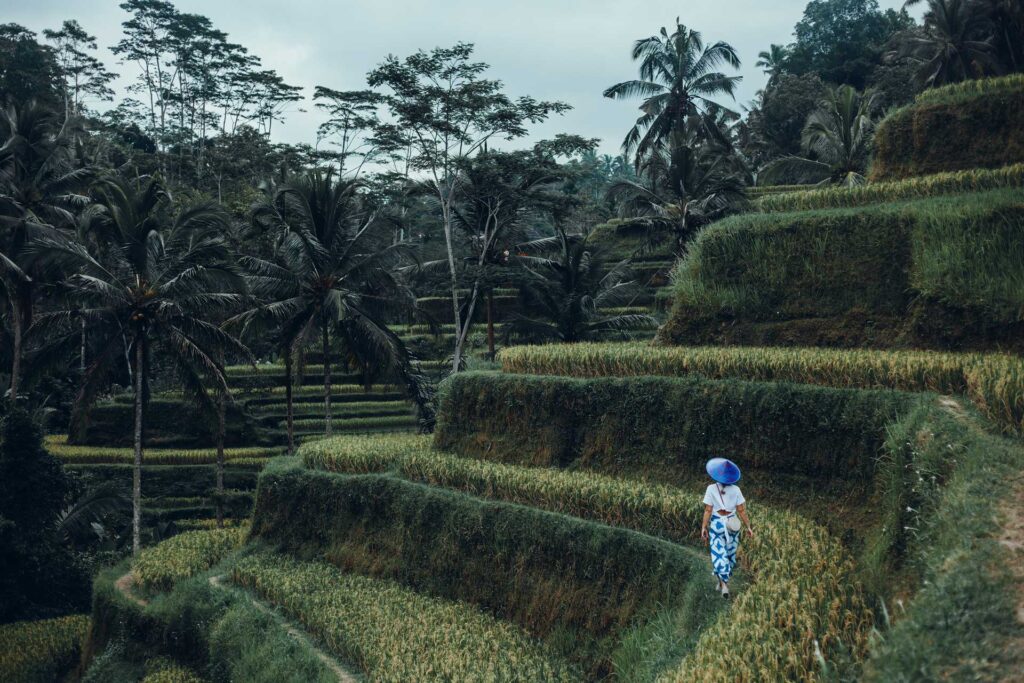
Popular spots like Tanah Lot, Tegalalang Rice Terraces, and Ubud’s Monkey Forest are much quieter. You’ll have more space for photos and peaceful exploration — a rare treat compared to peak season crowds.
3. Nature at Its Greenest
Rain rejuvenates Bali’s landscapes. Rice paddies shimmer in fresh green tones, waterfalls become more powerful, and the air feels clean and crisp. Photographers and nature lovers often prefer this season for its vivid scenery.
4. Indoor Cultural Experiences
When the rain pours, Bali still shines indoors. Join a Balinese cooking class, unwind at a spa, explore art galleries, or take a silver jewelry workshop in Celuk. The rain offers a good excuse to slow down and connect deeper with local culture.
Smart Tips for Visiting Bali in the Rainy Season
Plan morning activities. Rain often starts later in the day.
Carry a lightweight rain jacket and dry bag. Keep your camera and phone safe.
Use waterproof footwear. Ideal for muddy trails and temple steps.
Book accommodation near main roads. Easier access if roads get flooded.
Always check daily weather updates. Conditions can change quickly.
Hire a local driver-guide. They know safe routes and hidden dry spots to explore.
Where to Go When It Rains in Bali
Even when the rain falls, your adventure doesn’t have to stop. Bali still offers countless ways to enjoy the island. If the morning is bright, head out to explore the Tegalalang or Jatiluwih rice terraces, visit sacred temples, or relax by the beach before the clouds roll in. When the skies turn grey, spend your time in cozy coffee shops, art studios, or local markets. If rain comes heavy, it’s a great opportunity to unwind in a spa, learn Balinese cooking, or attend a dance performance indoors. When evening drizzles arrive, enjoy a romantic dinner or sip tea at a warm café while listening to the sound of rain.
Some of the most beautiful spots to explore during Bali’s rainy season include Tegenungan Waterfall, Sekumpul Waterfall, Tibumana Waterfall, and Jatiluwih Rice Terraces. These destinations become even more breathtaking after rainfall, surrounded by mist and fresh greenery.
Ready to Experience Bali at Its Greenest?
The rainy season in Bali isn’t something to avoid — it’s something to embrace. The landscapes glow brighter, the air feels cooler, and the island moves at a slower, more peaceful rhythm. With the right attitude and preparation, every drop of rain becomes part of your adventure.
✨ Plan your Bali trip now with Balidriverandtour.com — book a private driver, customize your itinerary, and explore Bali safely and comfortably, no matter the weather. Your unforgettable tropical journey begins here! 🌿